Passage to Eastern Europe: Trip Introduction
Flight Review: LOT Polish Airlines 797-9 Business Class, ORD-WAW
Lodging Review: Hampton by Hilton Krakow
Our Time in Krakow, Poland
Flixbus from Krakow to Budapest
Lodging Review: Corinthia Budapest Hotel
Our Time in Budapest, Hungary
Our Time in Kalocsa, Hungary
Our Time in Osijek and Vukovar, Croatia
Our Time in Belgrade, Serbia
Our Time in Golubac, Serbia
Our Time in Vidin, Bulgaria
Our Time in Ruse, Bulgaria
Our Time in Bucharest, Romania
Lodging Review: JW Marriott Bucharest Grand Hotel
Flight Review: SWISS Airlines 777-300 ZRH-ORD
We had a rainy day in Belgrade but fortunately the rain either stopped completely or let up quite a bit during most portions of our city tour.
Kalemegdan Park
Our first stop was Kalemegdan Park. It’s the largest park in the city and was once the town field within Belgrade Fortress. It’s situated on a cliff that overlooks the confluence of the Danube and Sava Rivers. As we made our way to and through the fortress we came across this statue call the Monument to the Gratitude of France. It celebrates the cooperation of Serbia and France at the end of World War I and in its aftermath.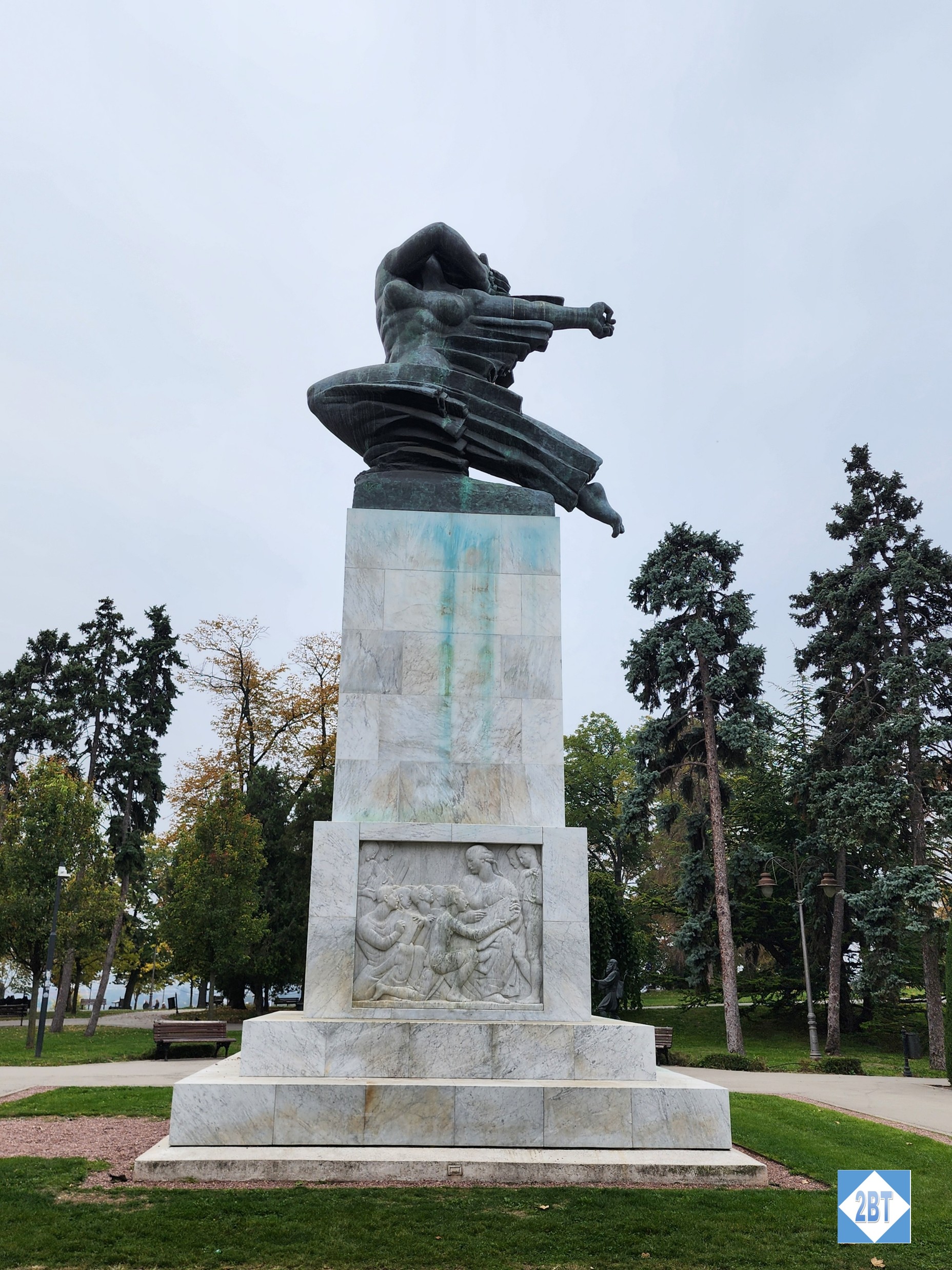
Belgrade Fortress
Our next stop was the Fortress itself. The name “Belgrade” means “white city” and even though this place has had many names over the centuries, almost all of them referred to a “white city” because of the fortress’s coloration.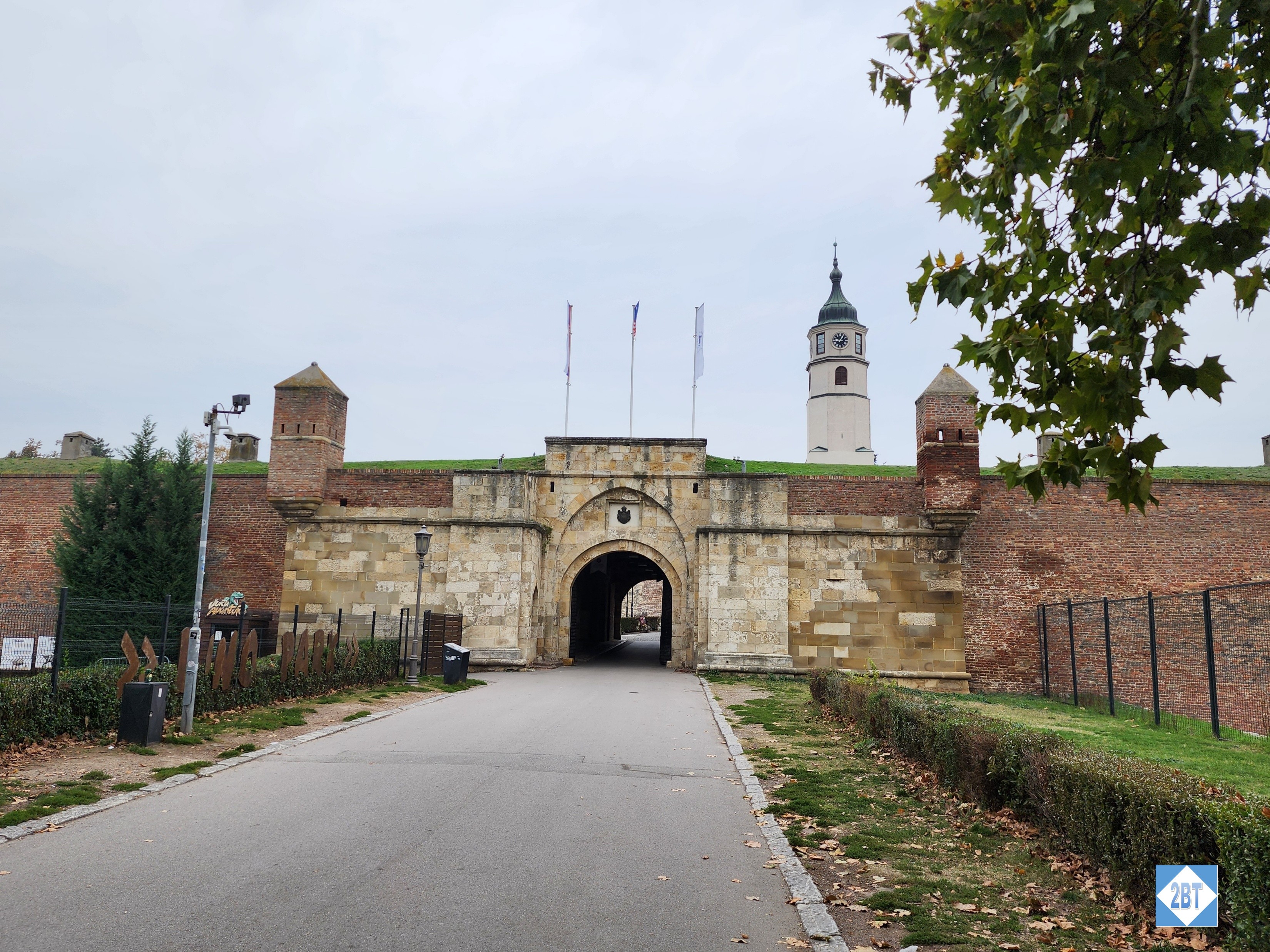
Even today it’s easy to imagine how intimidating the fortress would have looked, perched on the bluff overlooking the rivers, its white facade making it visible from great distances.


The upper part of the fortress is a park and right where the rivers meet is this statue call “The Victor”.
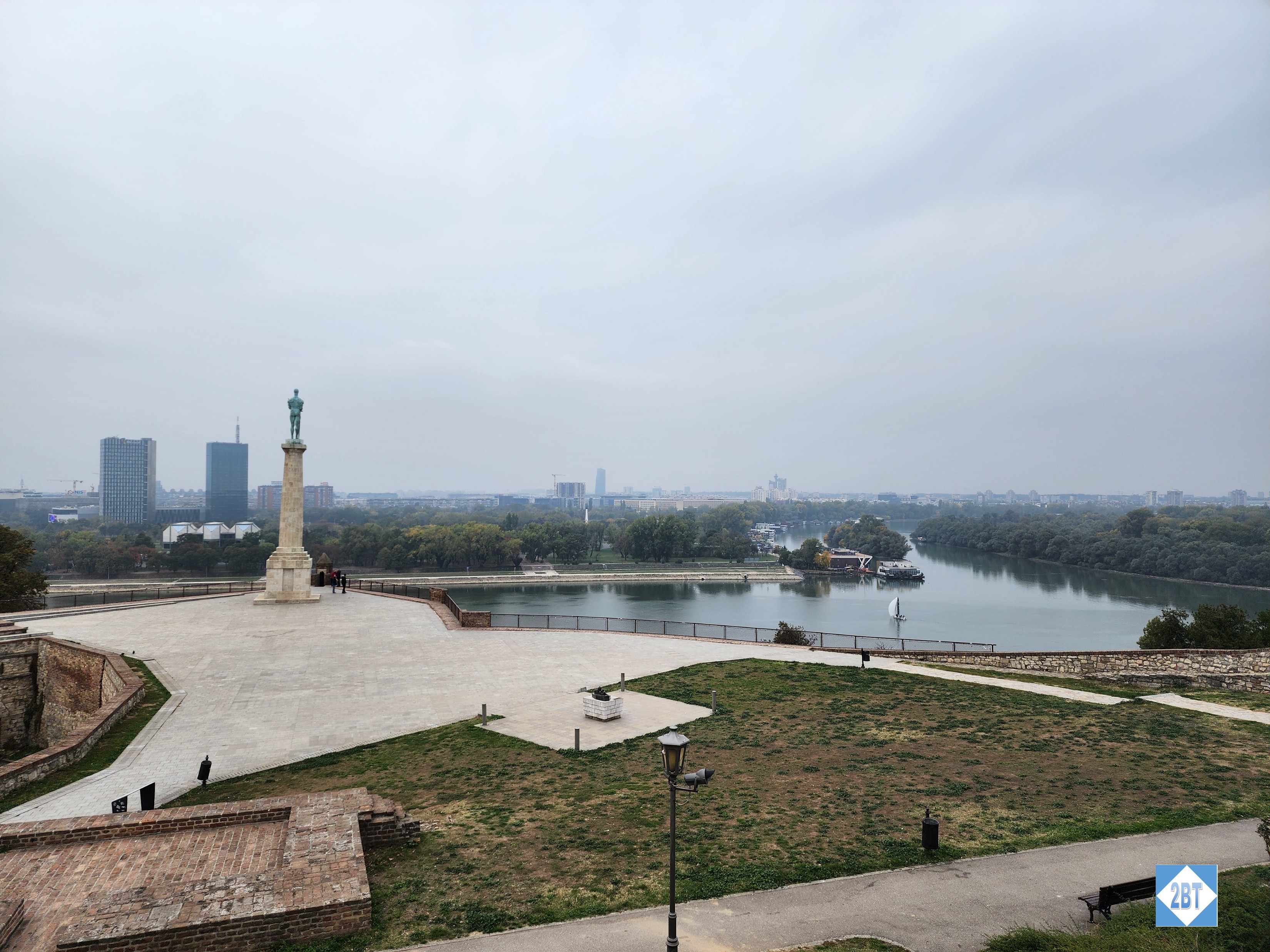
View of the confluence of the Danube and Sava rivers as The Victor overlooks them.
The views from this are incredible and I really wish we’d had a prettier day to enjoy them.
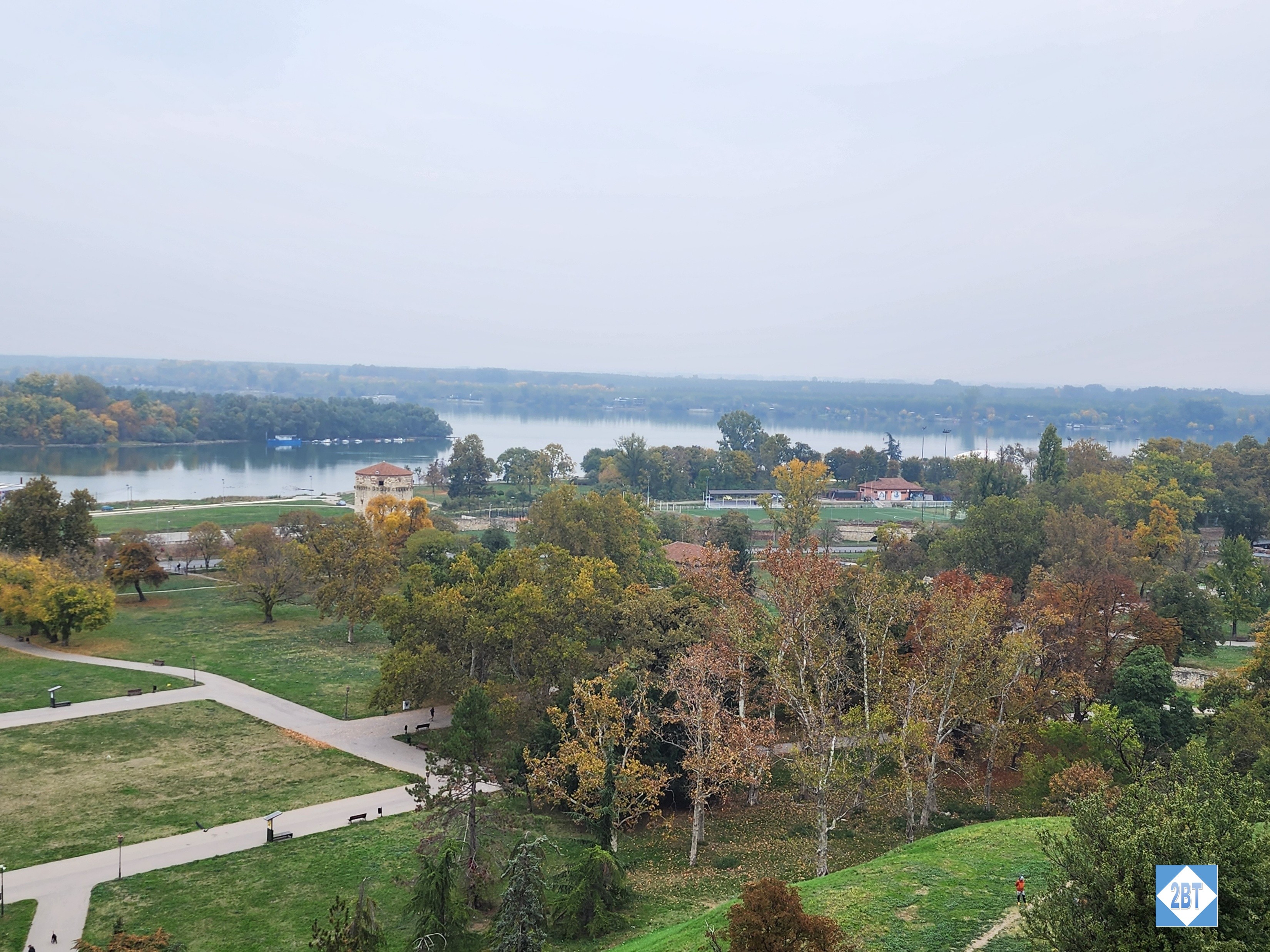
Such gorgeous views
Church of St. Sava
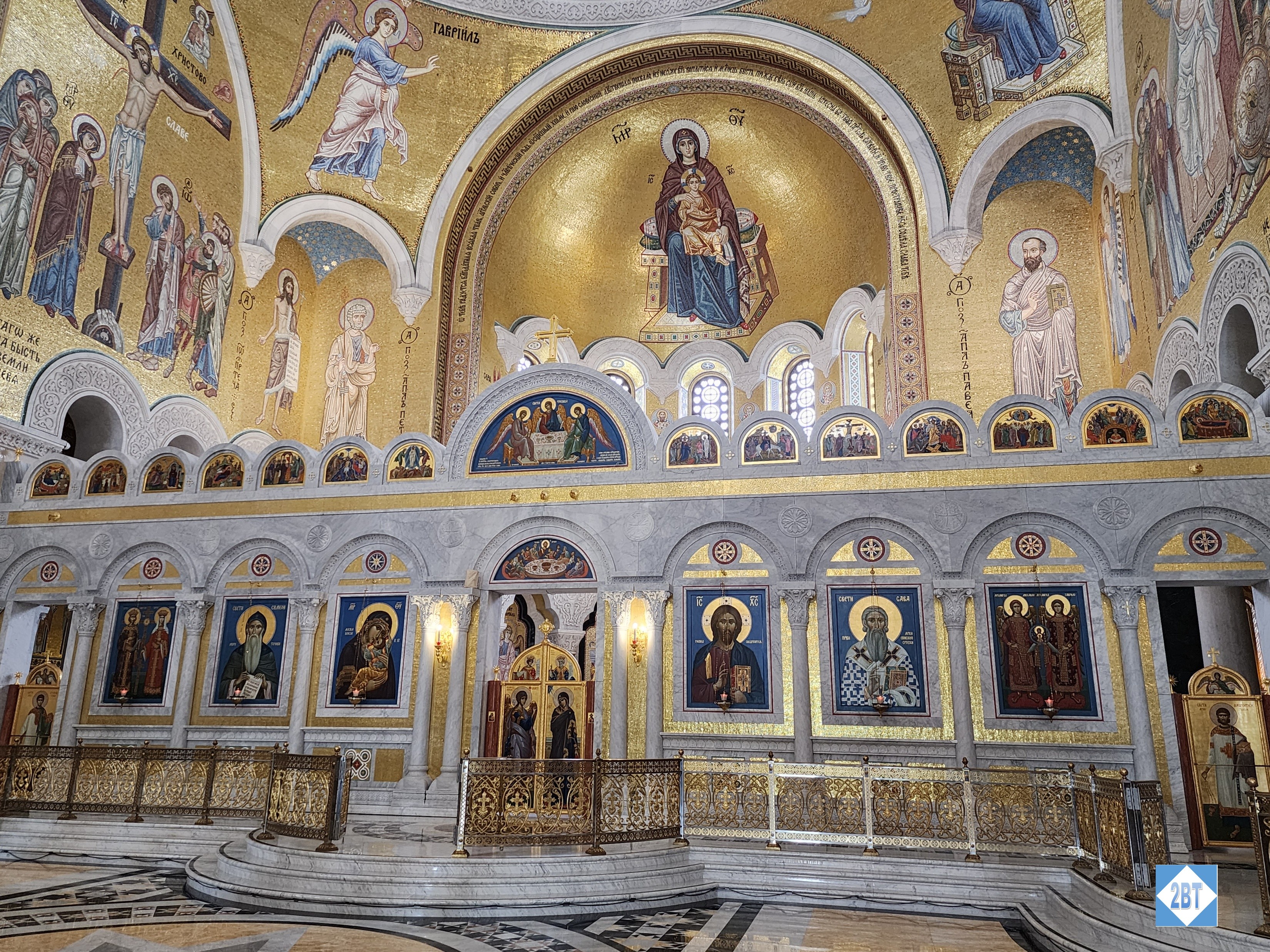
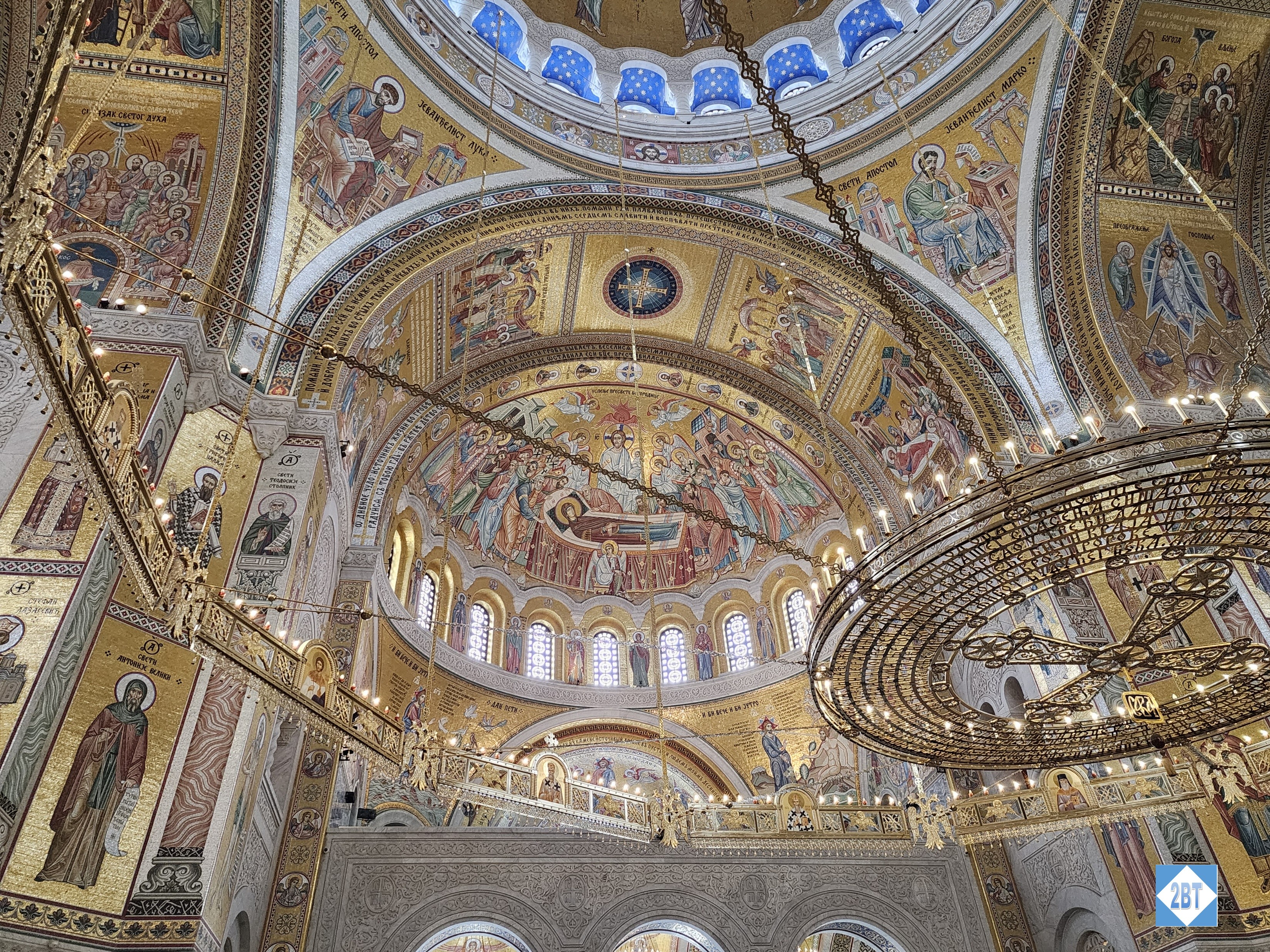
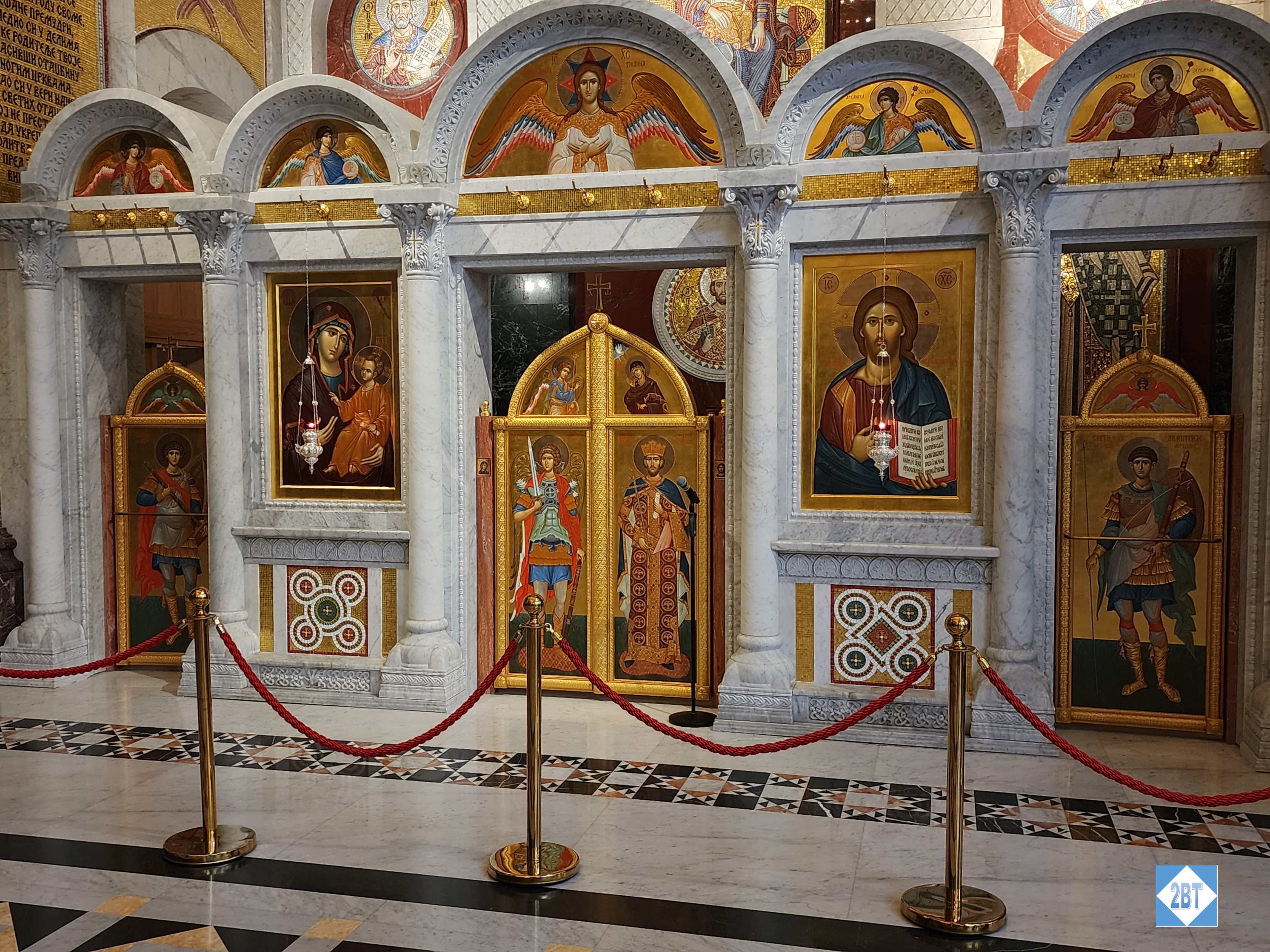
Our next stop was the absolutely gorgeous Church of St. Sava, a Serbian orthodox church. Despite its size, it’s not the cathedral for the city. One of the most iconic buildings in Belgrade, construction began in the 1930s but World War II and the Communist leadership put a halt to its construction. After the breakup of the USSR, construction re-started in 1984 and in 1989 the giant 4000-ton dome was lifted into place. (Does the dome look familiar? The building was modeled on the Hagia Sophia in Istanbul.)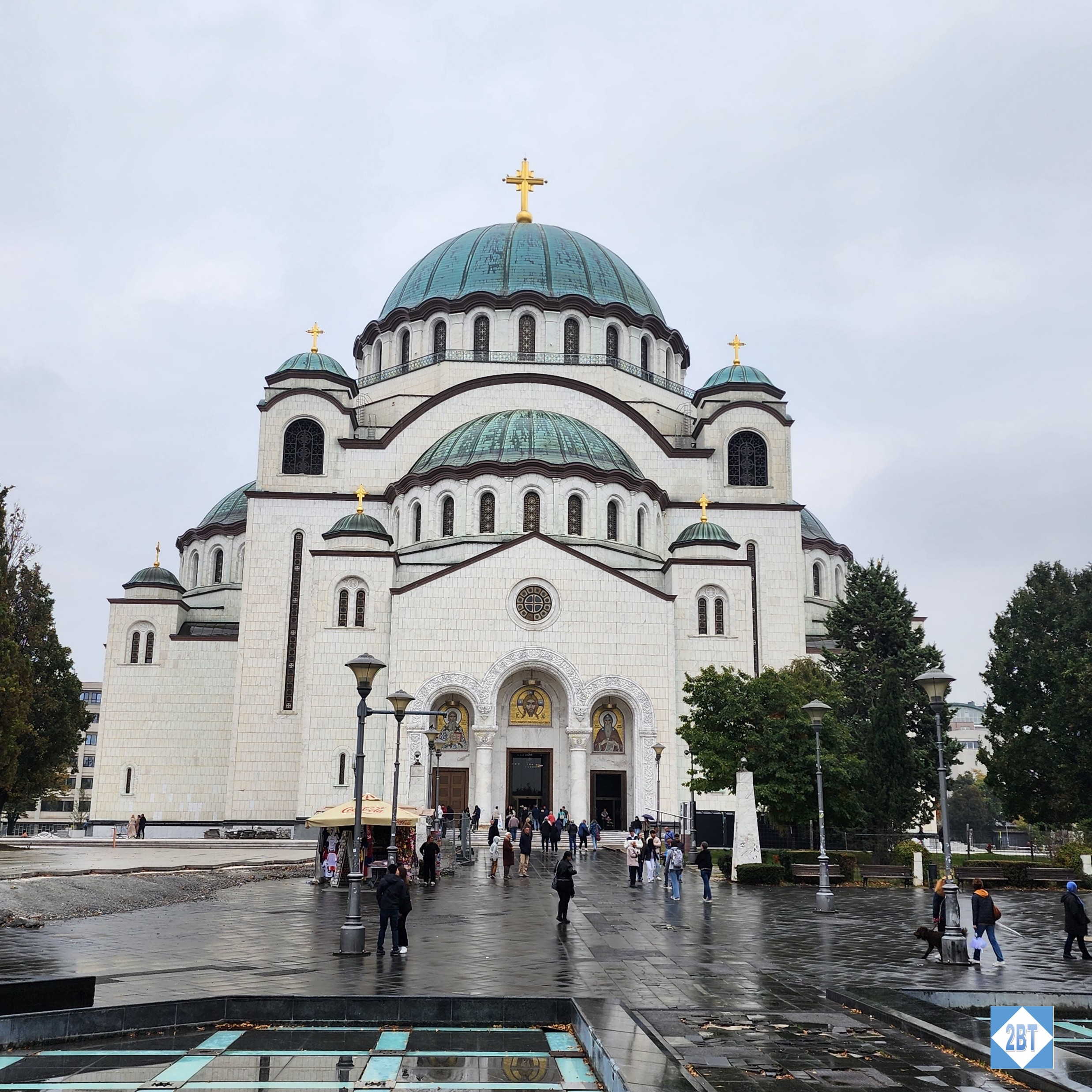




Kovačica Art Colony and Nemcek Art Home
After lunch we took an optional tour to the art colony in Kovačica. It wasn’t very large but there was a surprising amount of artwork displayed and available for sale. While we didn’t buy anything, it was interesting to see how the art had evolved over the years and how there were references in recent art to earlier works.
We then went to the home of Jan Nemcek, who’s been making violins the old-fashioned way, by hand, since 1979. He learned the art from his uncle and has passed it down to his son. The instruments were gorgeous and I wished I knew how to play the violin or mandolin so I could have gotten my hands on one of these beauties!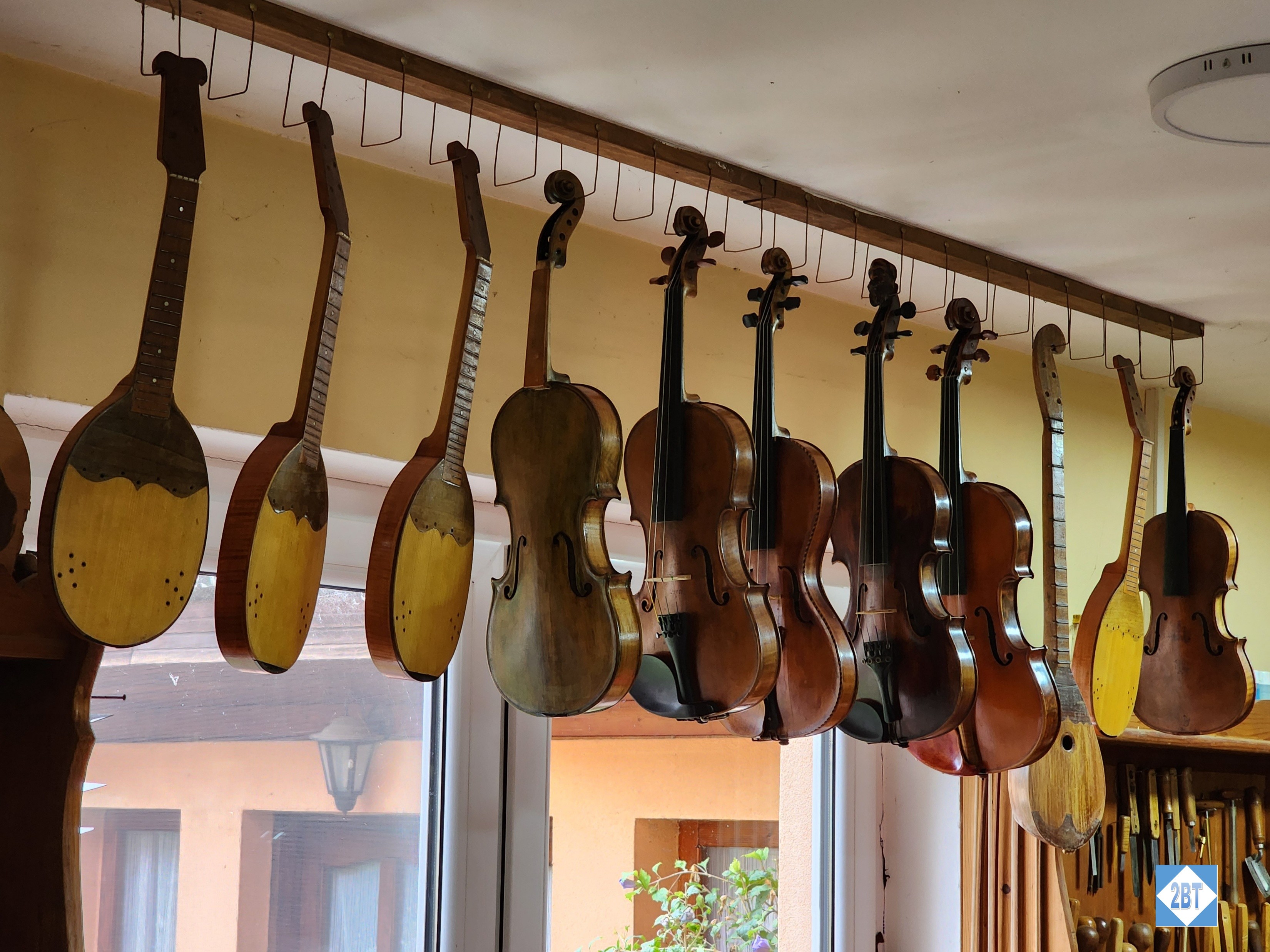
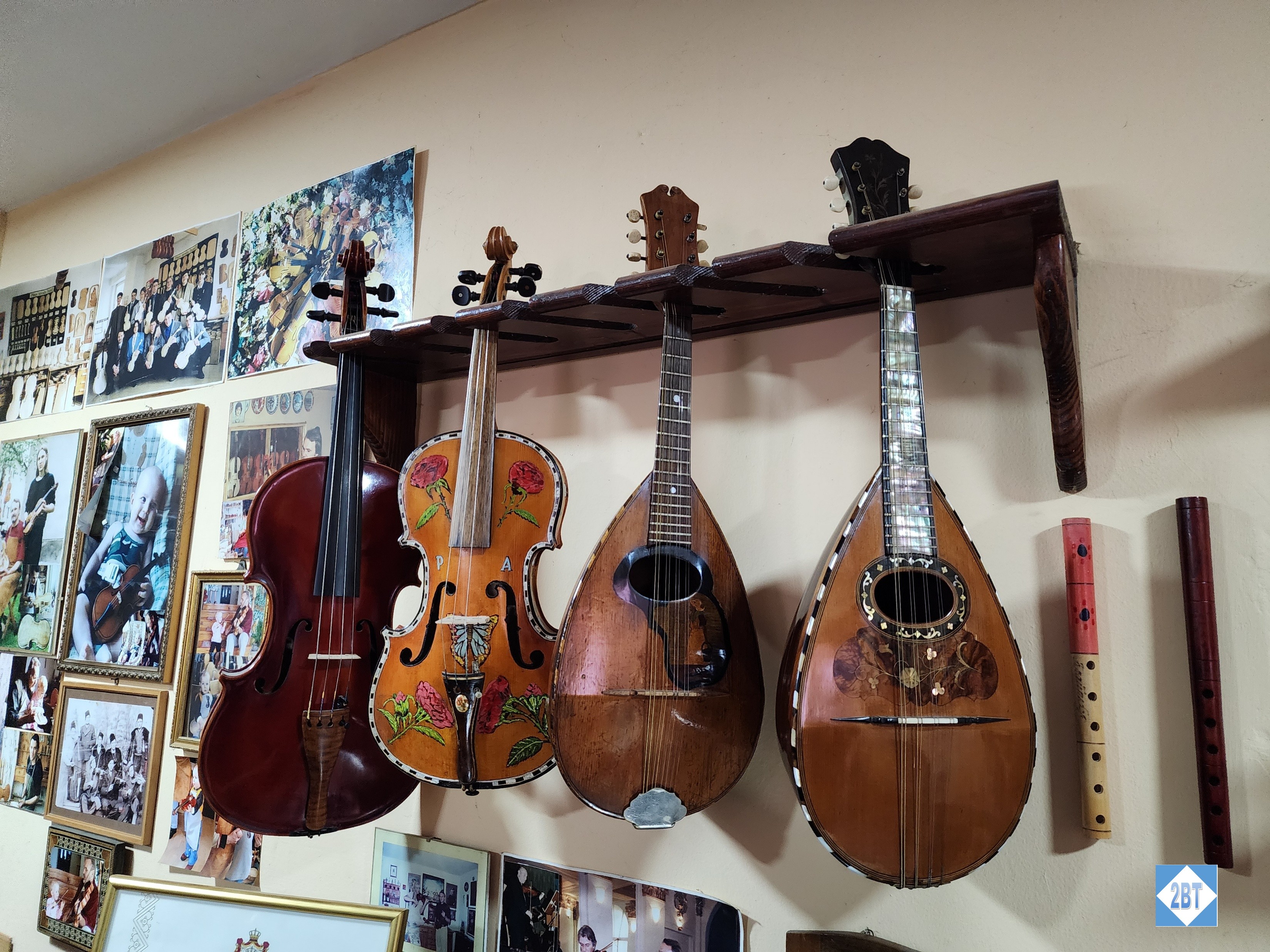


If you want to learn more about Jan, here’s an article with lots of photos from the Associated Press and here’s a YouTube video that takes you right into the workshop. https://
In the end
We had a gloomy day in Belgrade which put a damper on our visit. I’d have loved to have spent more time at the Fortress and been able to see other sections of it which include the zoo and an amusement park, but we simply did not have time. While the art colony wasn’t really my thing, I really enjoyed the visit to the violin-maker.


Recent Comments