Passage to Eastern Europe: Trip Introduction
Flight Review: LOT Polish Airlines 797-9 Business Class, ORD-WAW
Lodging Review: Hampton by Hilton Krakow
Our Time in Krakow, Poland
Flixbus from Krakow to Budapest
Lodging Review: Corinthia Budapest Hotel
Our Time in Budapest, Hungary
Our Time in Kalocsa, Hungary
Our Time in Osijek and Vukovar, Croatia
Our Time in Belgrade, Serbia
Our Time in Golubac, Serbia
Our Time in Vidin, Bulgaria
Our Time in Ruse, Bulgaria
Our Time in Bucharest, Romania
Lodging Review: JW Marriott Bucharest Grand Hotel
Flight Review: SWISS Airlines 777-300 ZRH-ORD
The overcast skies that put a (literal) damper on our visit to Belgrade were nowhere to be seen when we awoke the following morning in Golubac, Serbia. The pronunciation of the city name was not intuitive to me as it is pronounced GOH-loo-bats. Naturally I wanted the final syllable to sound like “ack” but the Serbians choose to pronounce it differently!
Golubac Fortress
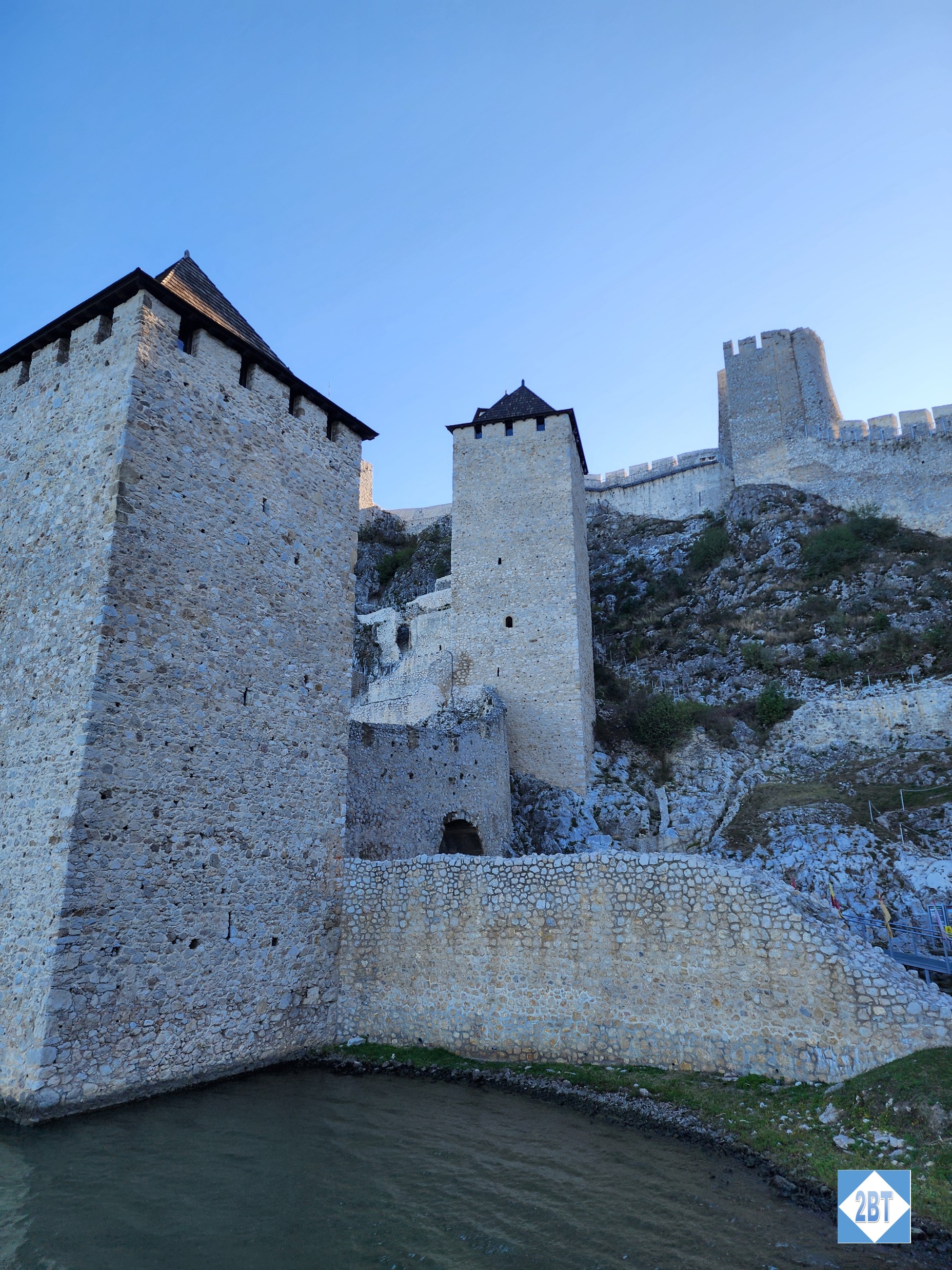
When we exited the boat, we only had to glance to our left to see our first stop for the day. The magnificent Golubac Fortress sits right on the Danube and is just everything you want a medieval fortress to be. Tall, seemingly impregnable walls, crenelated towers, built into the side of a rocky hill, you name it, it’s there, just a few hundred yards from where our ship docked.
Built in the 14th century by the Medieval Serbian state on the site of a former Roman settlement it saw action in numerous battles as various nations sought ownership. Over the years it has belonged to the Ottoman Empire, the Kingdom of Hungary, the Turks, the Bulgarians, the Hungarians (again), the Serbs (again), and the Austrians before being turned over to the Serbian king in 1867.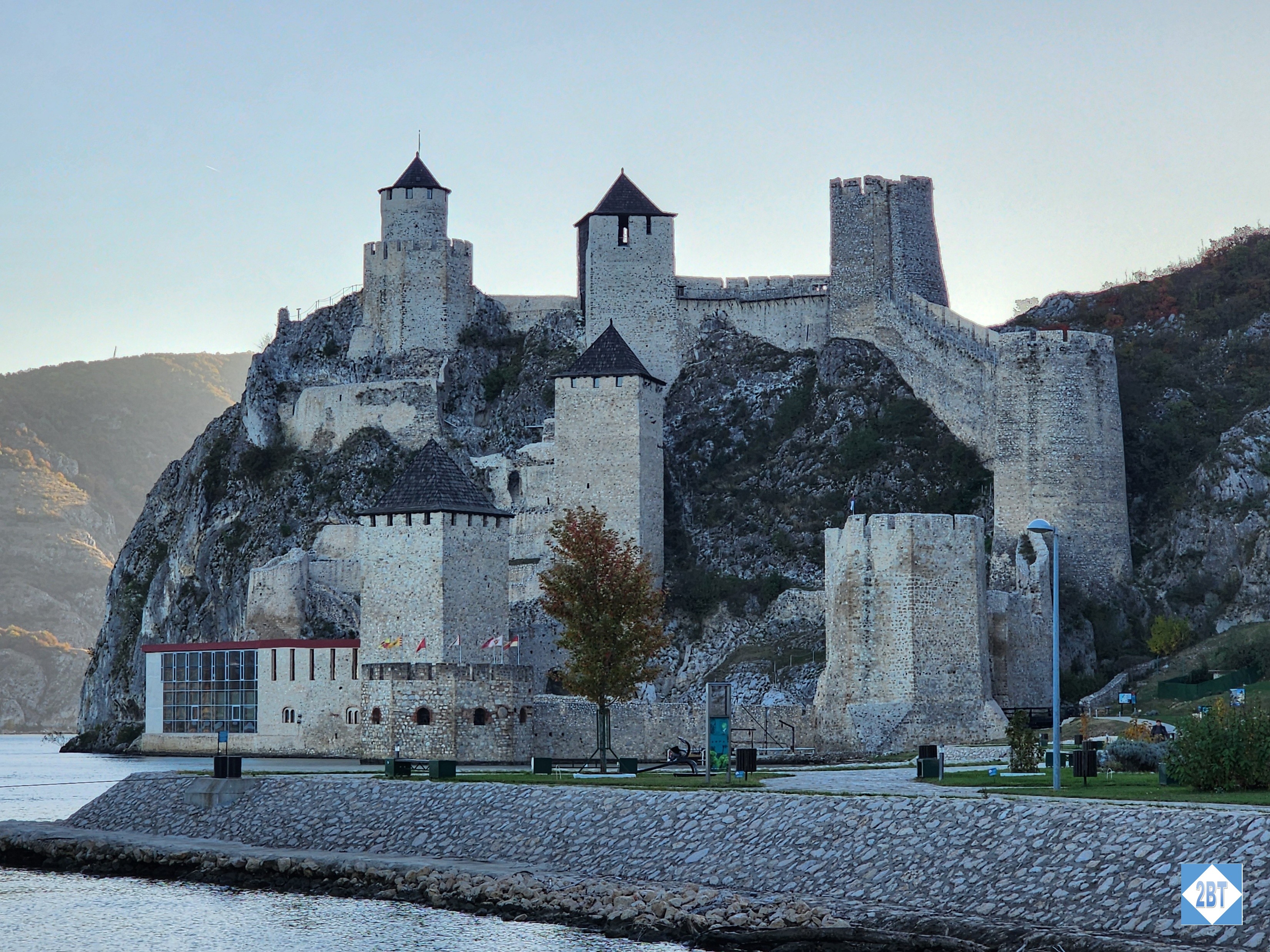
The Serbs have done a nice job of creating a small park around the fortress and working on the displays inside. As you approach the fortress’ main entrance, it is quite intimidating! I can’t imagine being an opposing force and thinking, “yeah, we can take that from them”!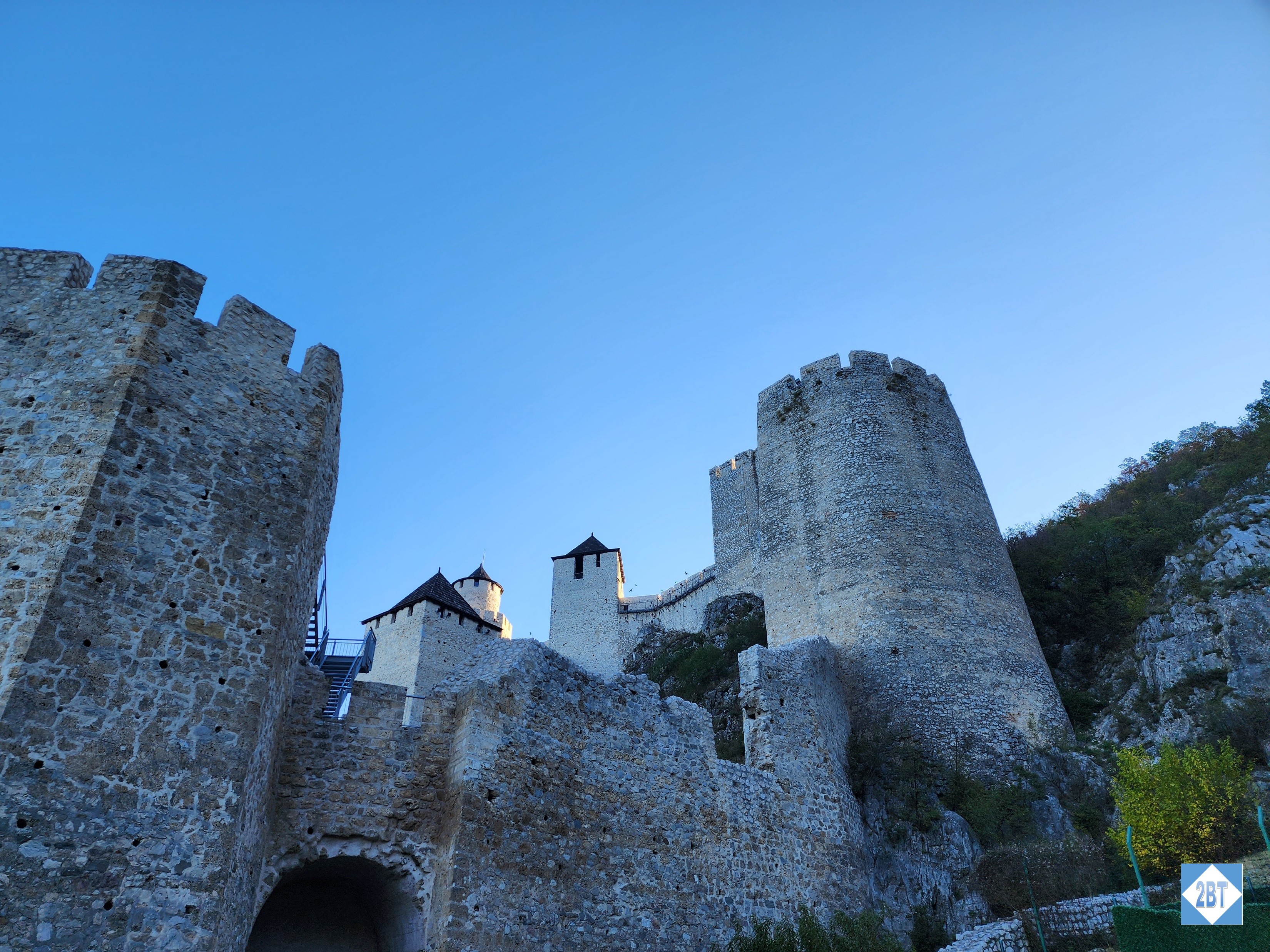
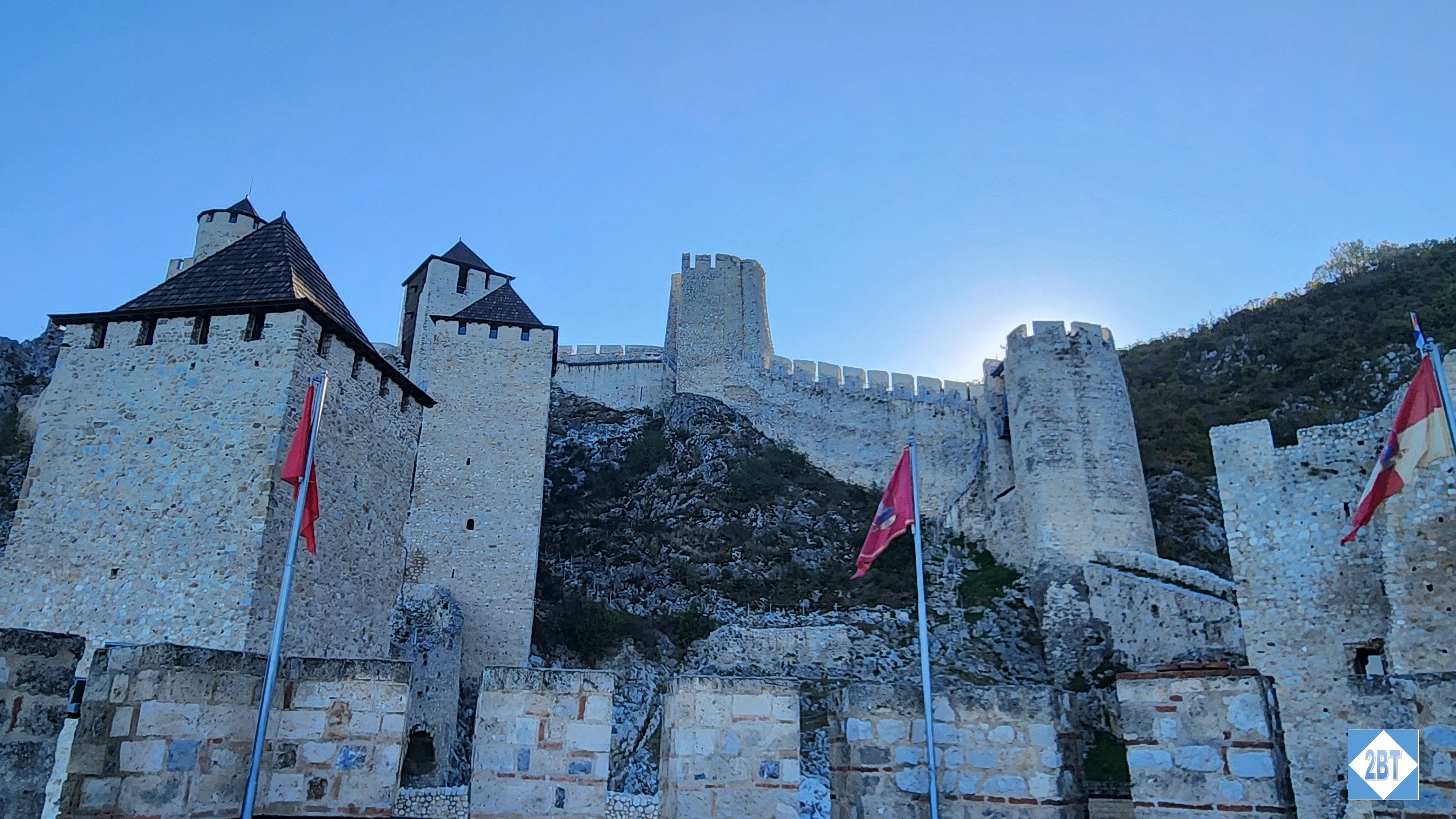
While most of the fortress is not suitable for those with mobility challenges, the walkways have been shored up with handrails and metal ramps or steps as appropriate. In this area we see a number of stones and a catapult used to fire them.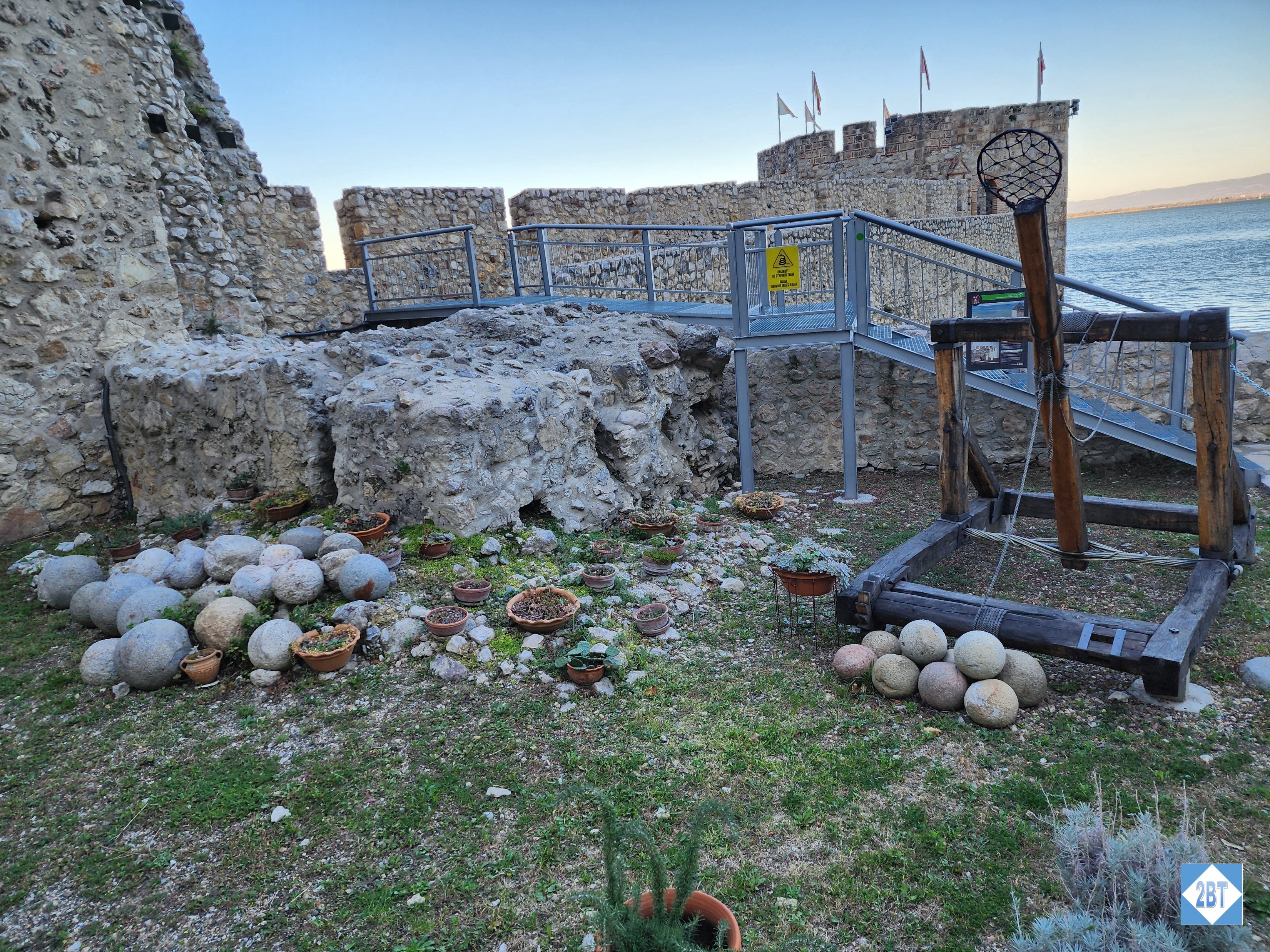
While most of the main walls of the fortress still stand, from this angle you can see how some of the walls have been mended and where modern paving and steel stairs have been installed.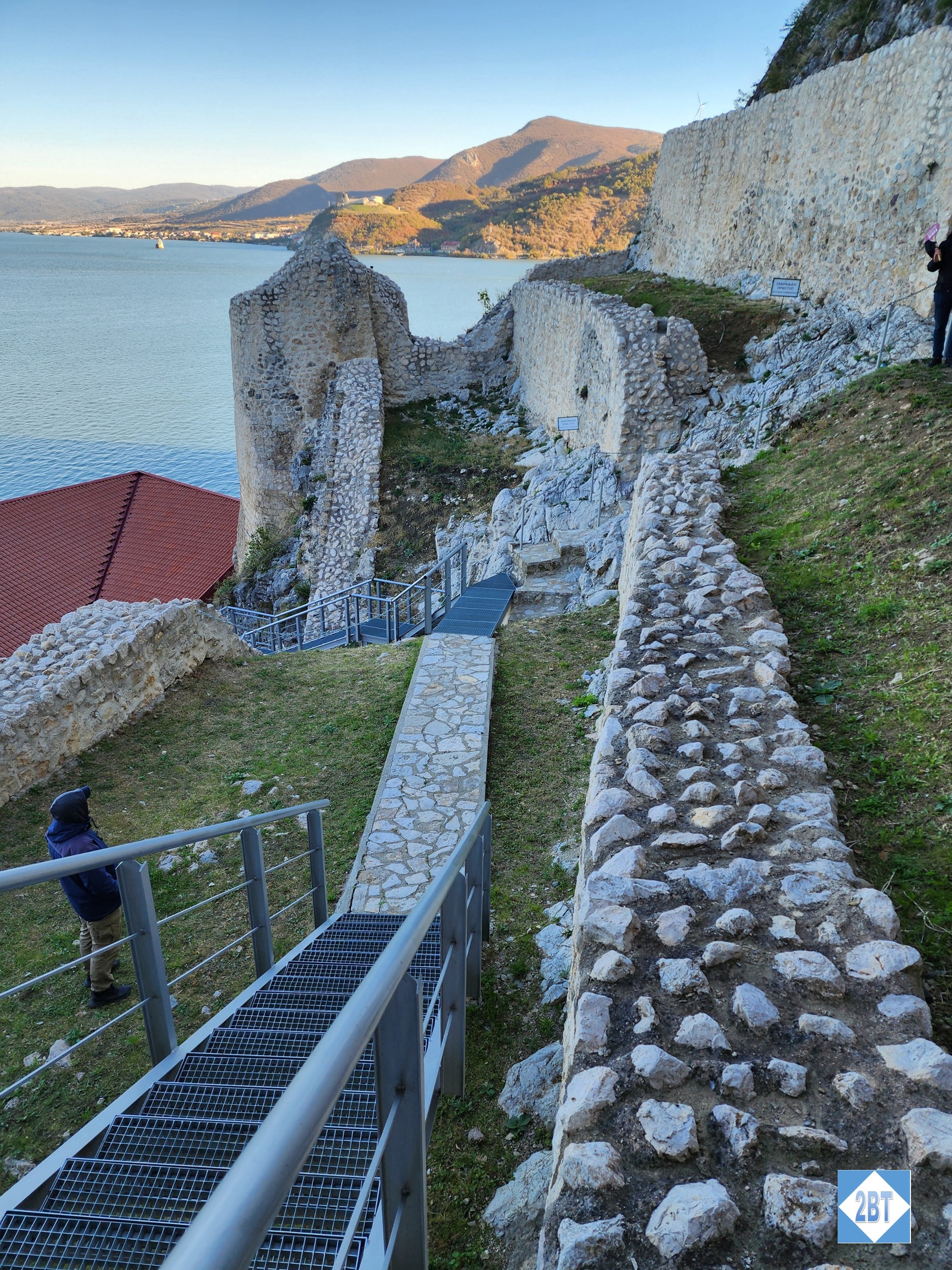
While it can be a steep hike to get up into the fortress, the views are lovely.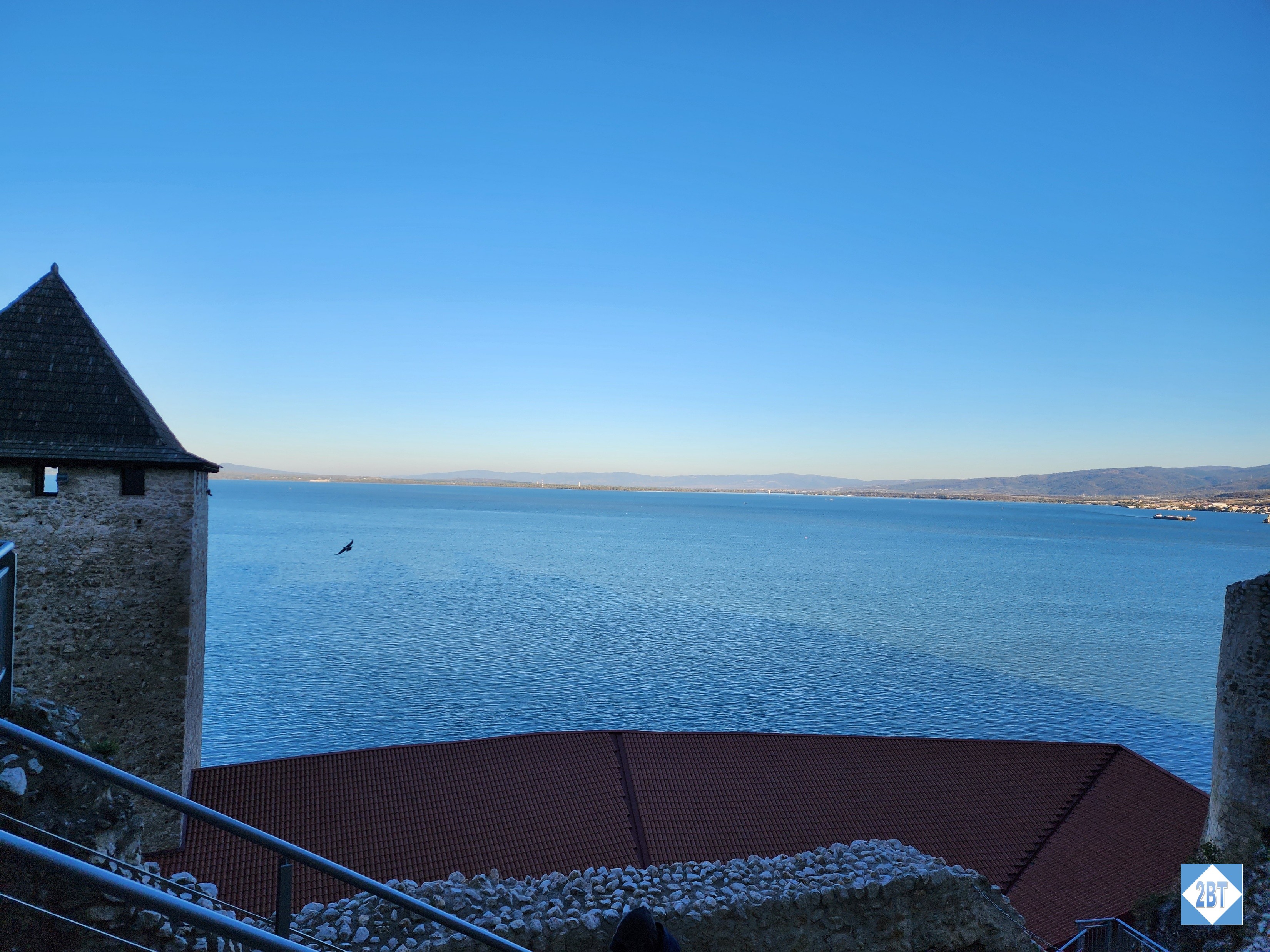
The fortress doesn’t usually open until 10 AM so we had the place to ourselves at about 8:30 AM. I thought seeing the fortress’ silhouette against the river was cool.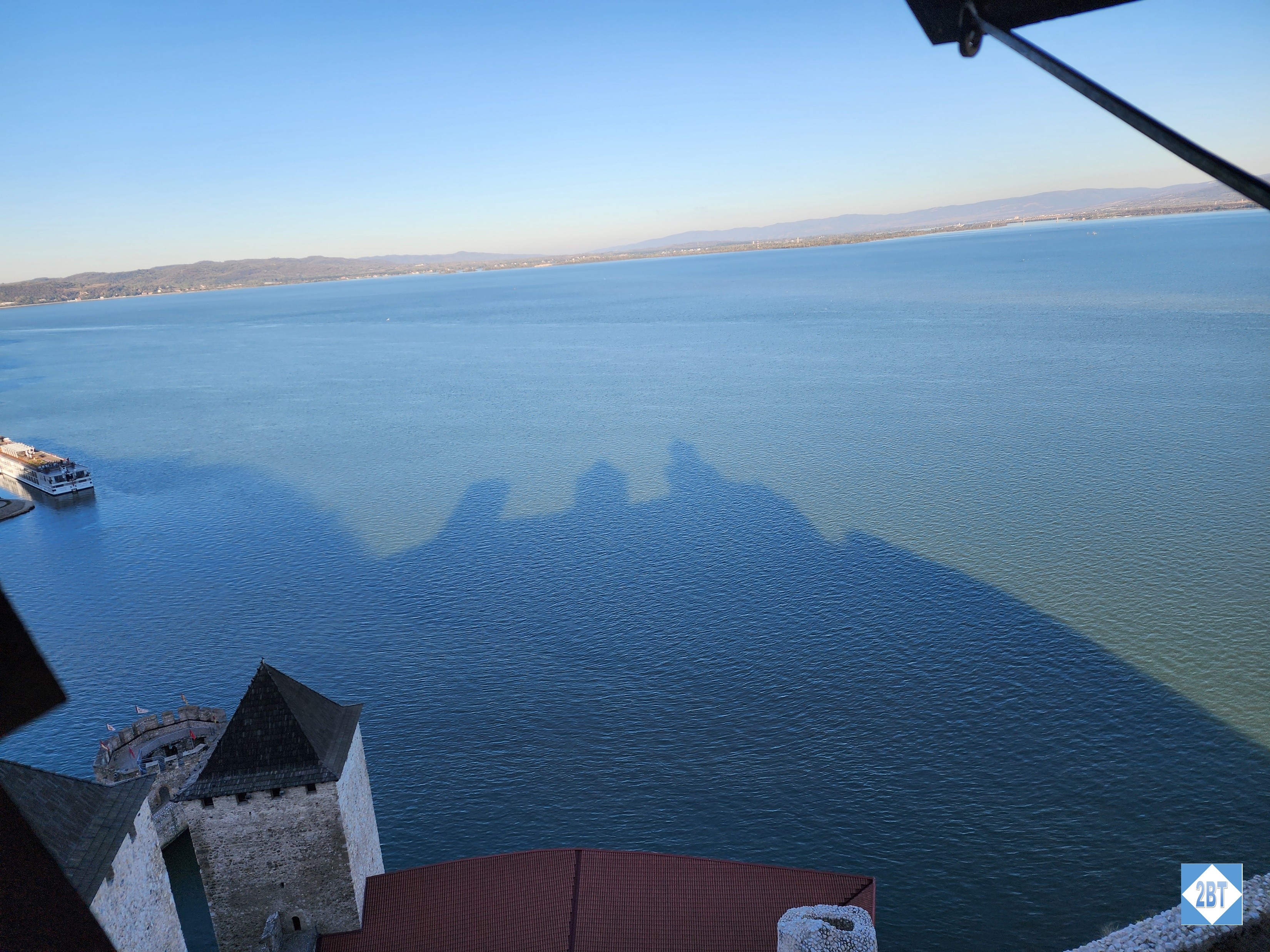
And here you can see how close to the fortress we docked!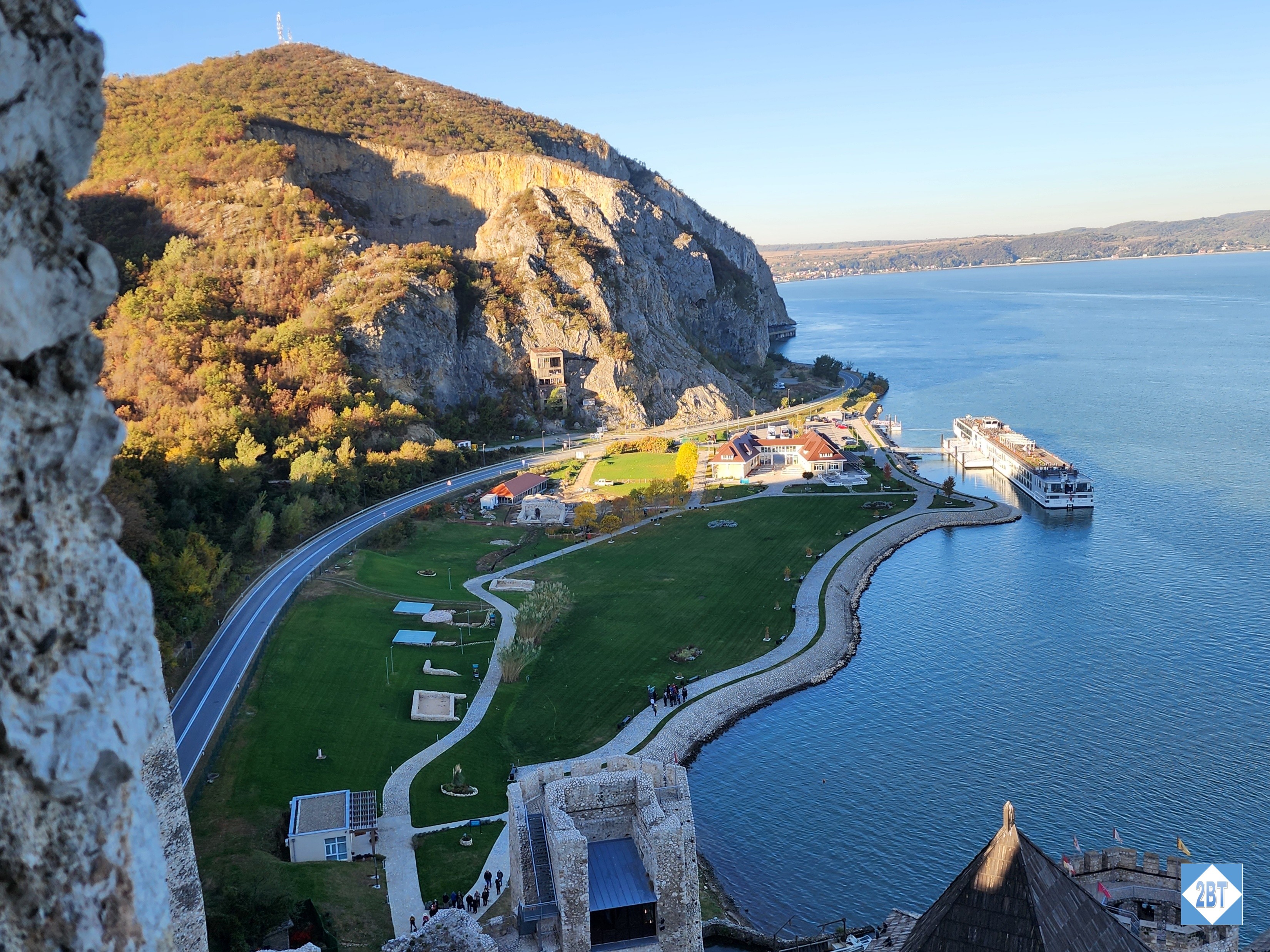
Inside one of the lower-level rooms were displays of all kinds of cool things from the periods the fortress was in use.


I really enjoyed this visit and would love to hear stories of what went on in this fortress over the years.
Đerdap National Park
After leaving the fortress, some of us took the optional tour in the Đerdap National Park. I’m told that in American English we’d pronounce it more like JER-dahp. Our motorcoach dropped us at the Kovilovo trailhead. The trail was not difficult and was wide enough that an SUV could drive through most parts of it – though of course no vehicles were allowed. There were some hills and though the trails are maintained, they’re not paved and thus not suited for folks who are mobility-challenged.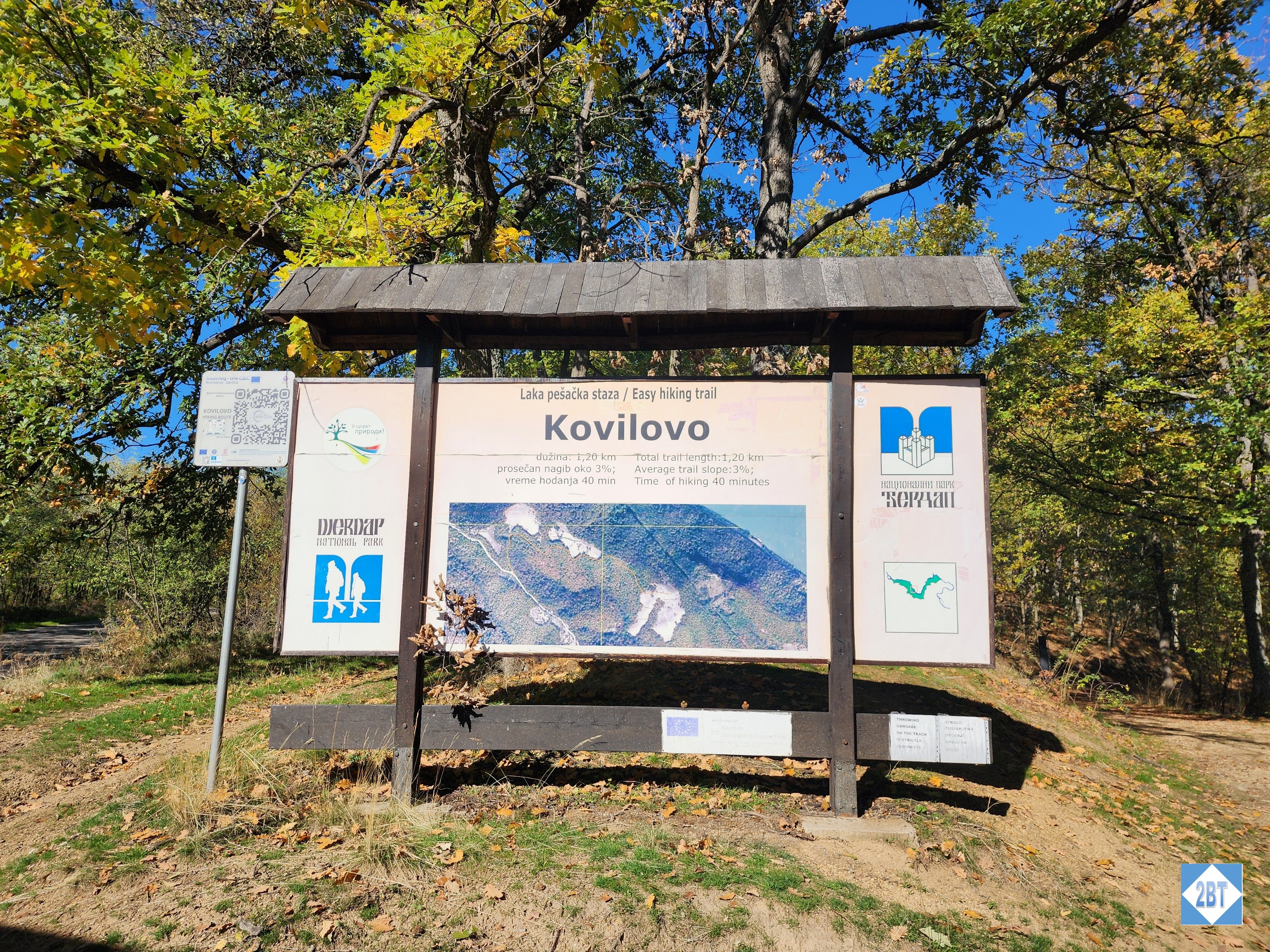
It was a lovely walk through the trees and we had a guide telling us about the area although I can’t recall any of what was said, sad to say. But we eventually reached our destination, the vidikovac or viewpoint over the Danube. And what a lovely view it was!
That’s the Roman Carpathian foothills and the town of Svinița across the river in Romania.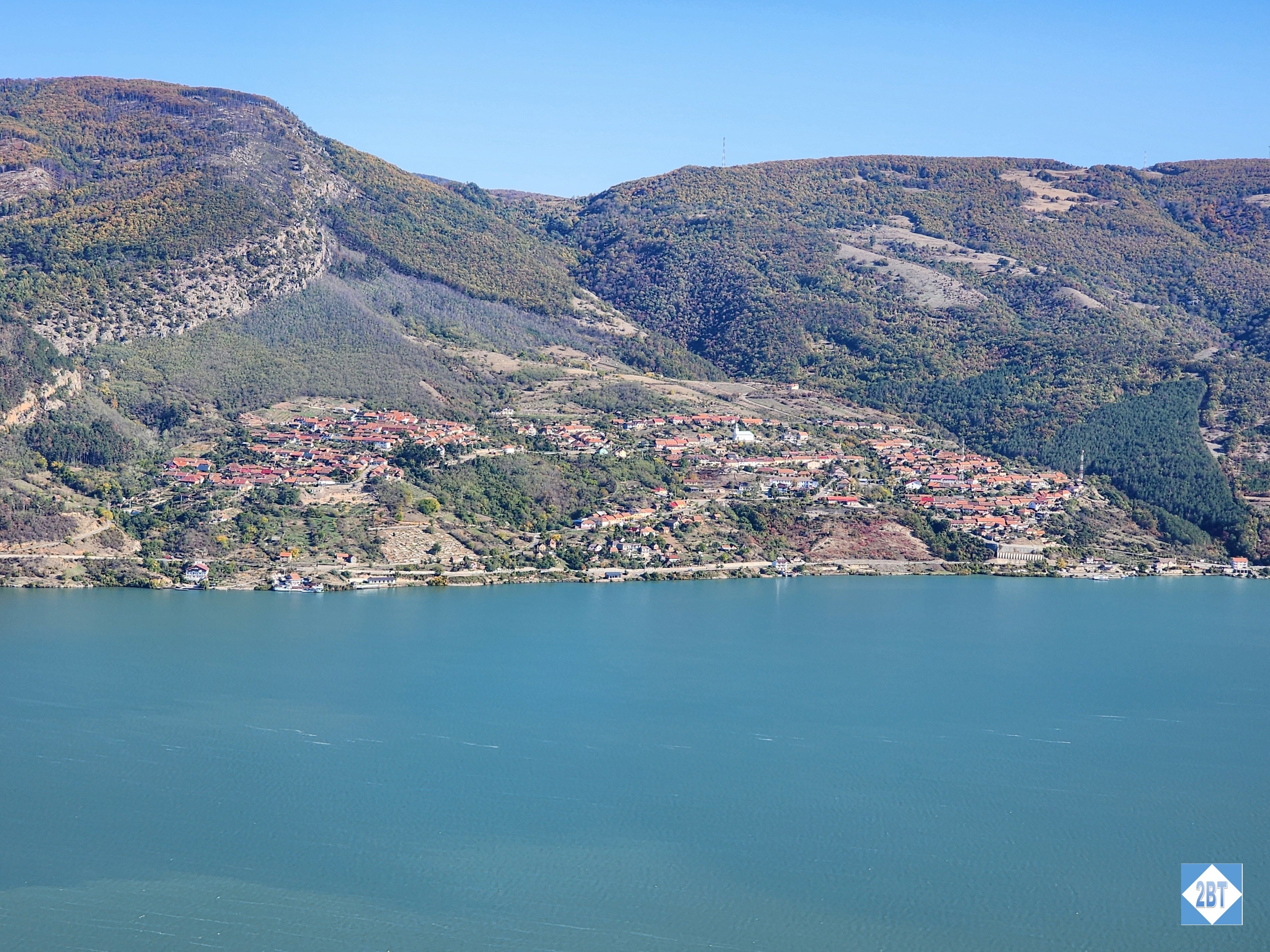
To the left is Treskavac Peak, the brown peak in the distance.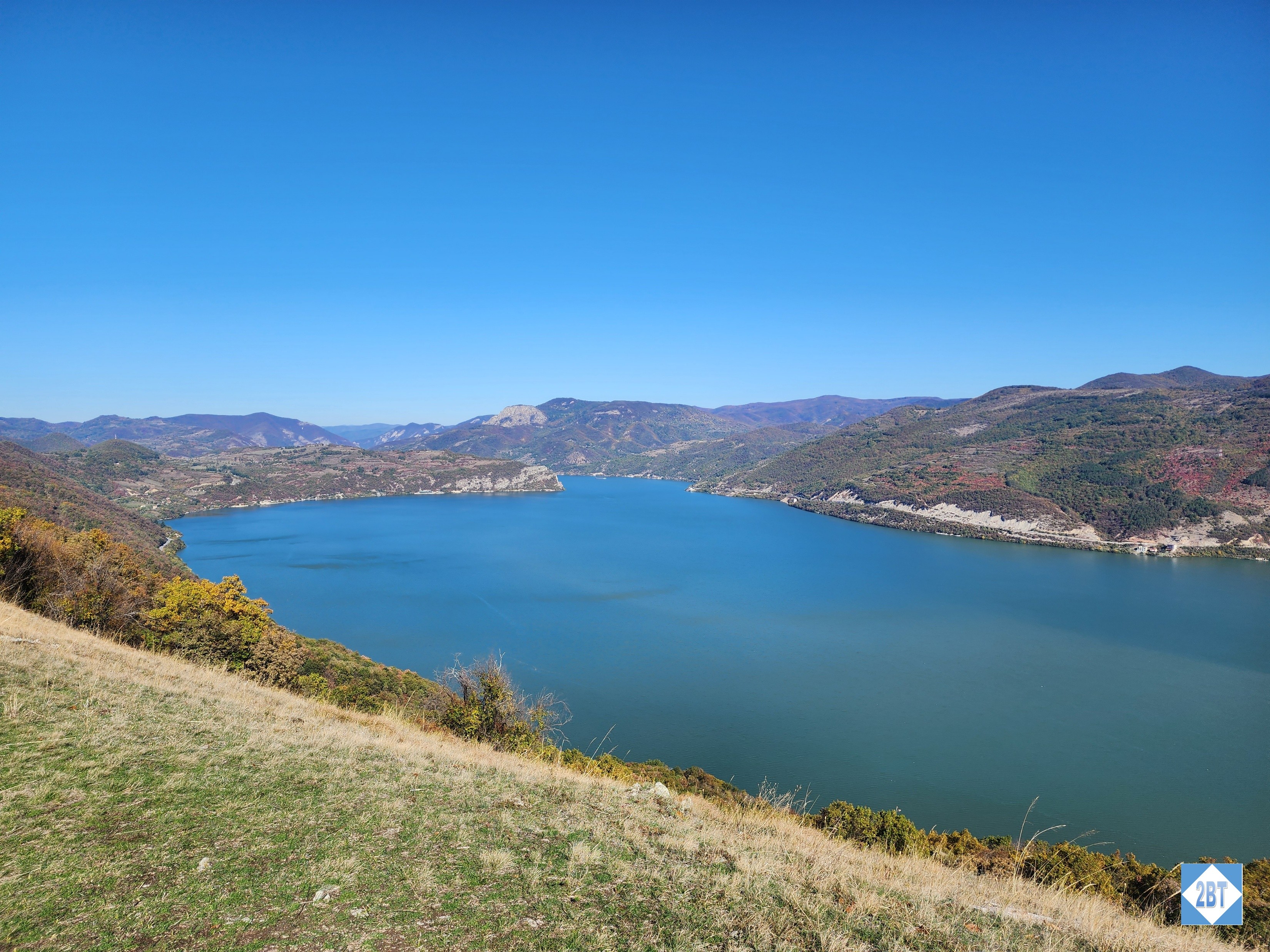
On the right is Mali Kazan, which means “Little Cauldron Gorge”. This is where the Danube squeezes through the narrowest part of the Iron Gates between two tall cliffs.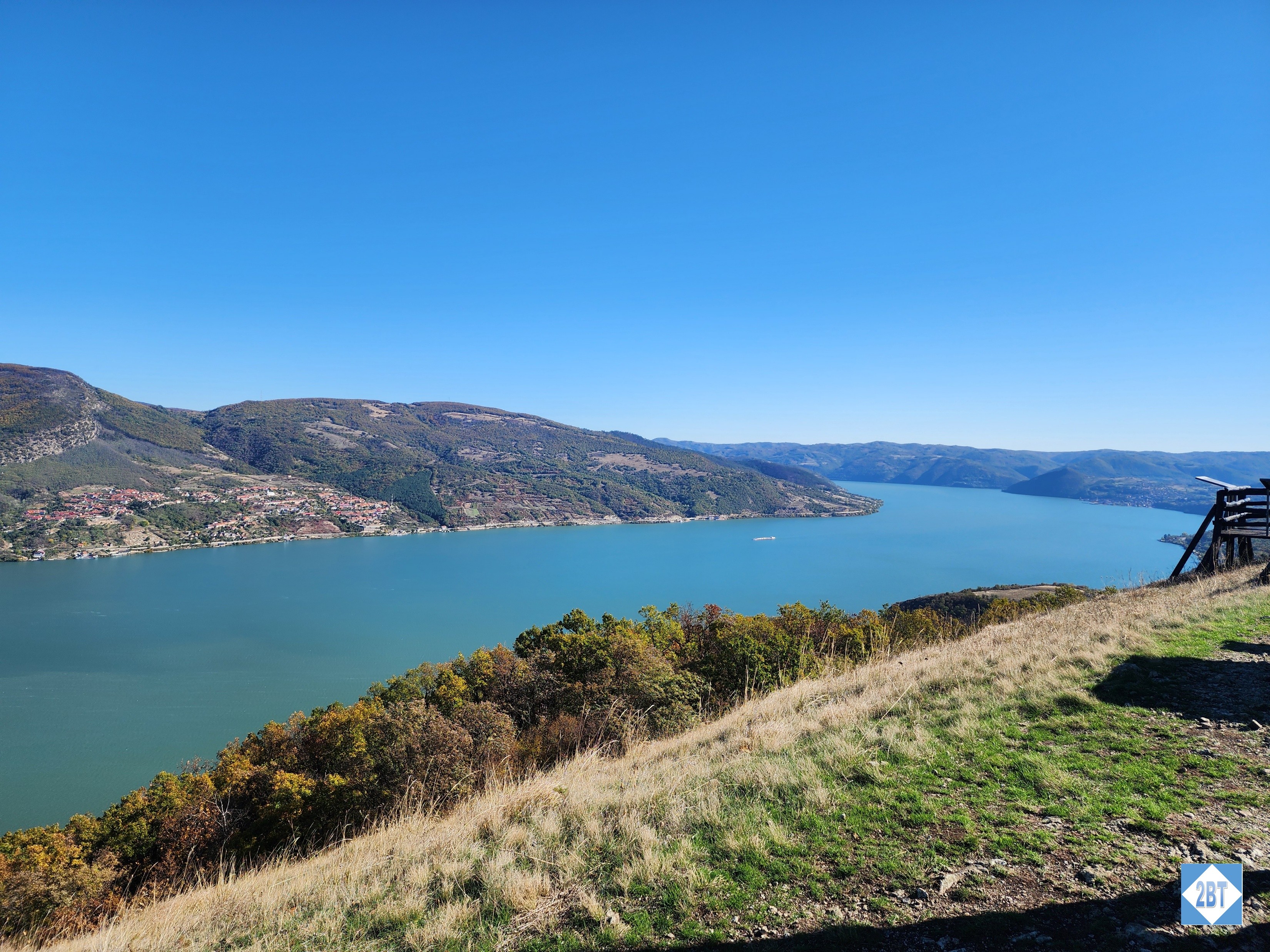
Kapetan Mišin breg – aka Captain Miša’s Hill
This is a family-run eco farm and viewpoint complex just outside the park, overlooking the Danube. They have a lovely terrace cafe and serve local wine, juice, and snacks. The owner, Captain Miša Jovanović, is a retired riverboat captain who took up sculpting. To reach the cafe from the parking lot we wandered past all kinds of things carved from wood. Many were semi-abstract sculptures of animals like the one below. They were vaguely recognizable but also left a lot to the imagination. The captain also keeps hutches of rabbits, guinea pigs, and chickens on the property.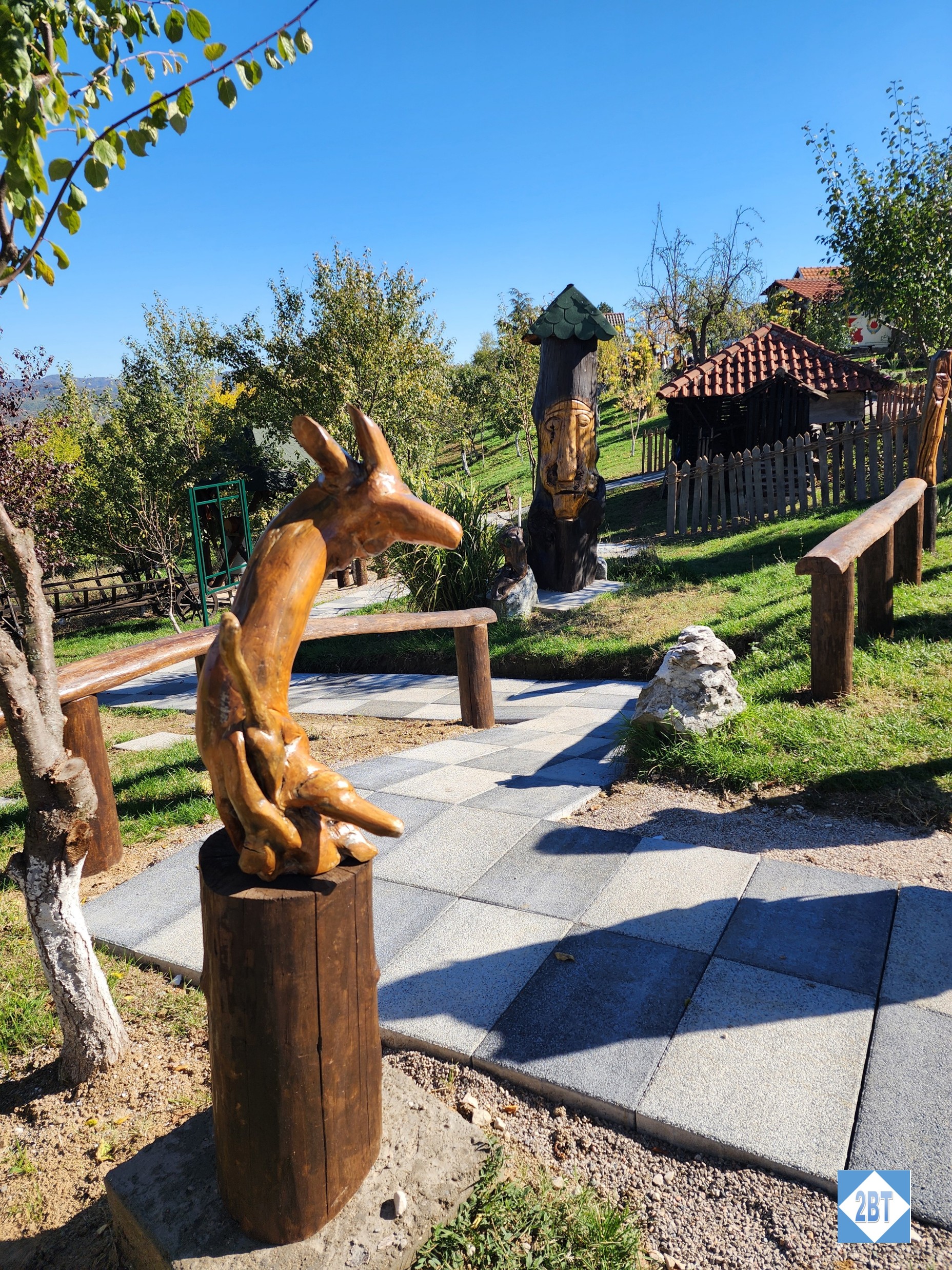
I got a kick out of this sign that points the way to numerous international cities. For some reason I always find these signs very cool, perhaps because by now I’ve visited many of the cities and the sign brings back good memories.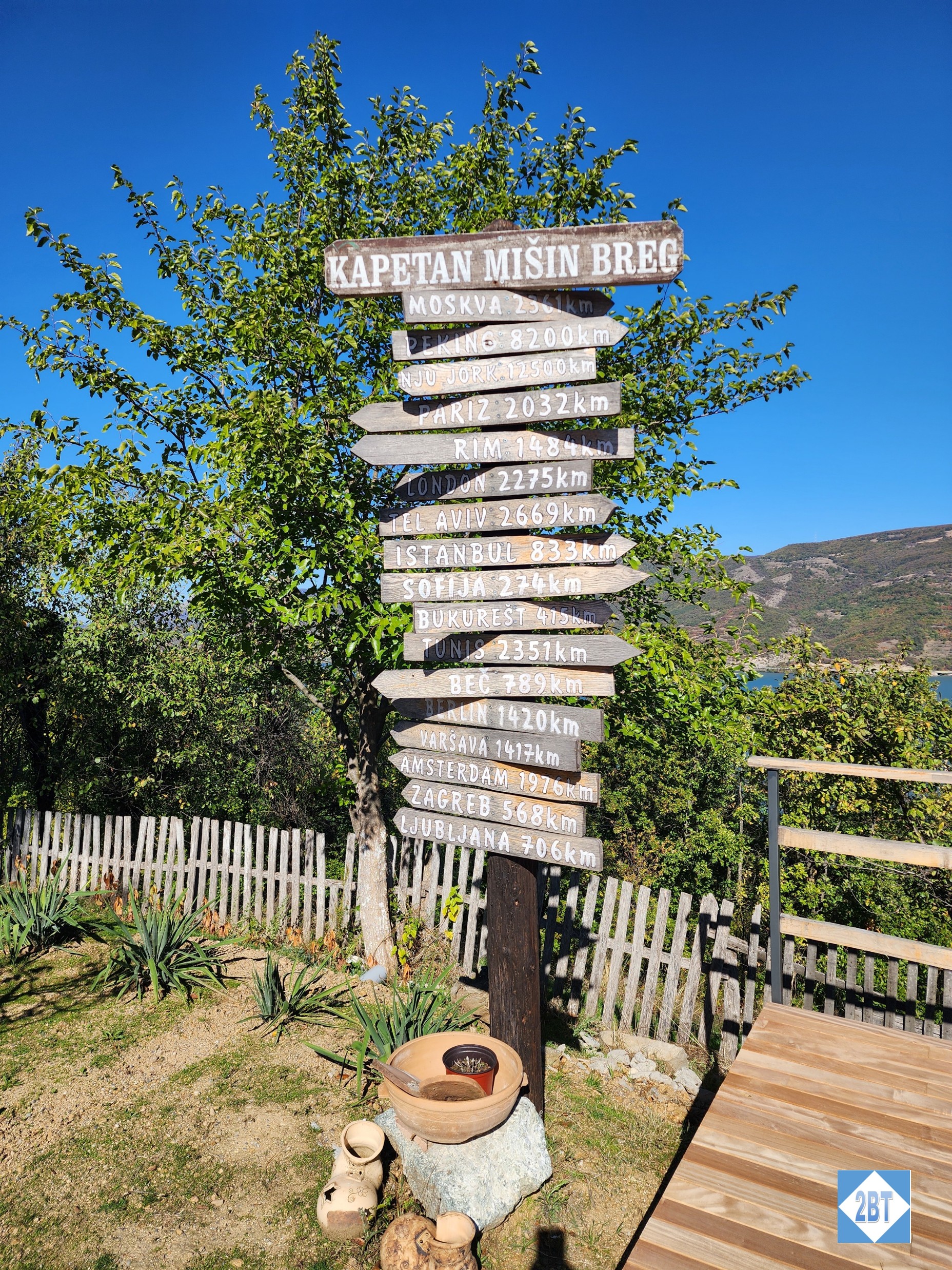
The national park is to the east of Golubac so while we were enjoying our hike and our snack at Captain Miša’s, our ship had pulled up anchor and was heading east to Donji Milanovac where our motor coach dropped us off.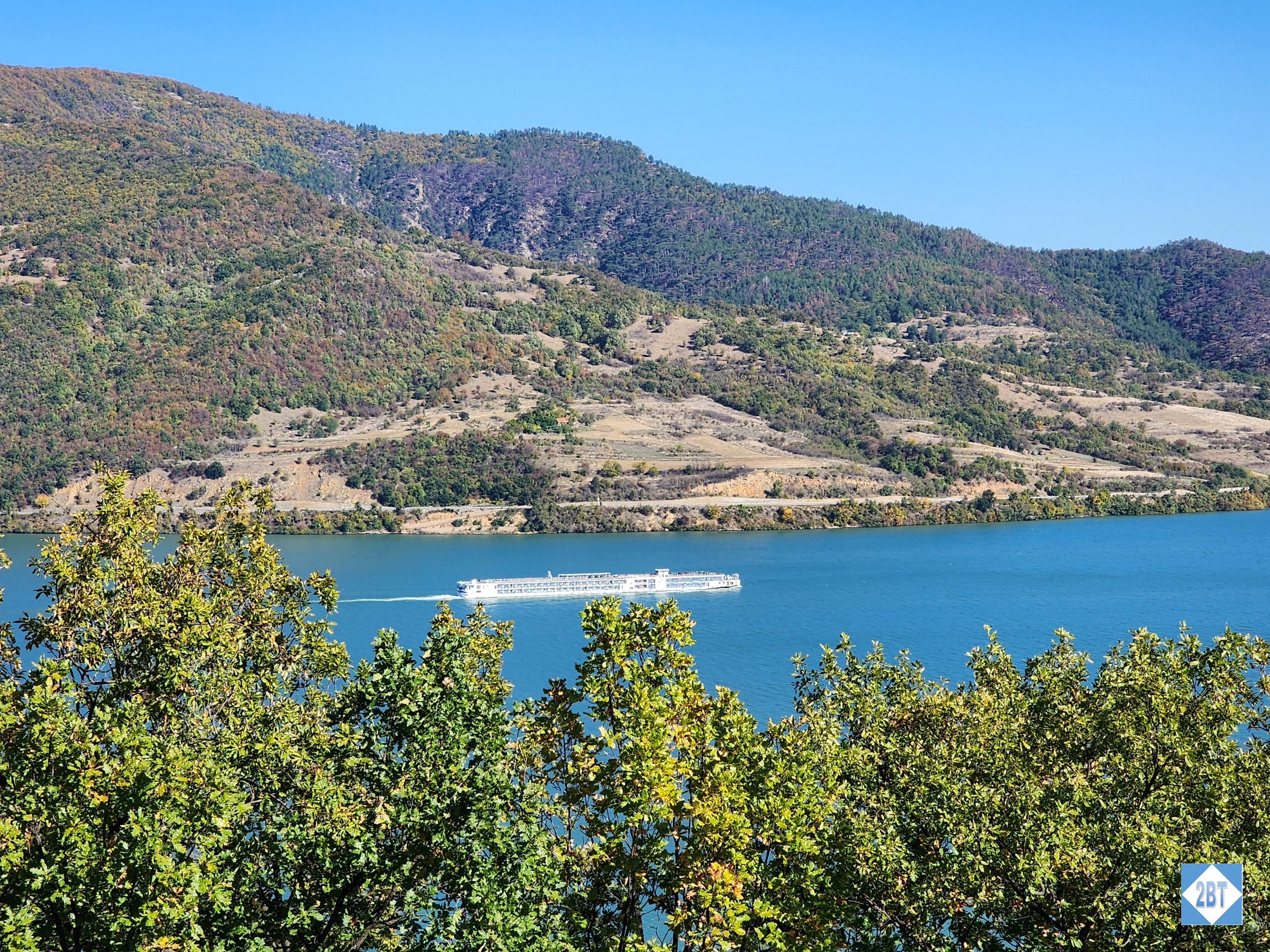
Sailing the Iron Gate
We enjoyed a gorgeous afternoon of sailing through the Iron Gate, a narrow gorge with the Carpathian Mountains in Romania on the north side and the Balkan Mountains of Serbia on the south. The Roman emperor Trajan built canals here in the 1st century AD which helped ease passage through an area so treacherous the Serbian name for it, Đerdap, means “whirlpool”. Passage was made even easier when the first Iron Gorge Dam opened in 1972.
This is the Mraconia Monastery (Mănăstirea Mraconia) on the Romanian side of the river. The original monastery was founded in the 15th century although it was destroyed and rebuilt several times both due to flooding and wars. This building dates to the 1990s because the first dam re-routed the river a bit and the lower levels flooded.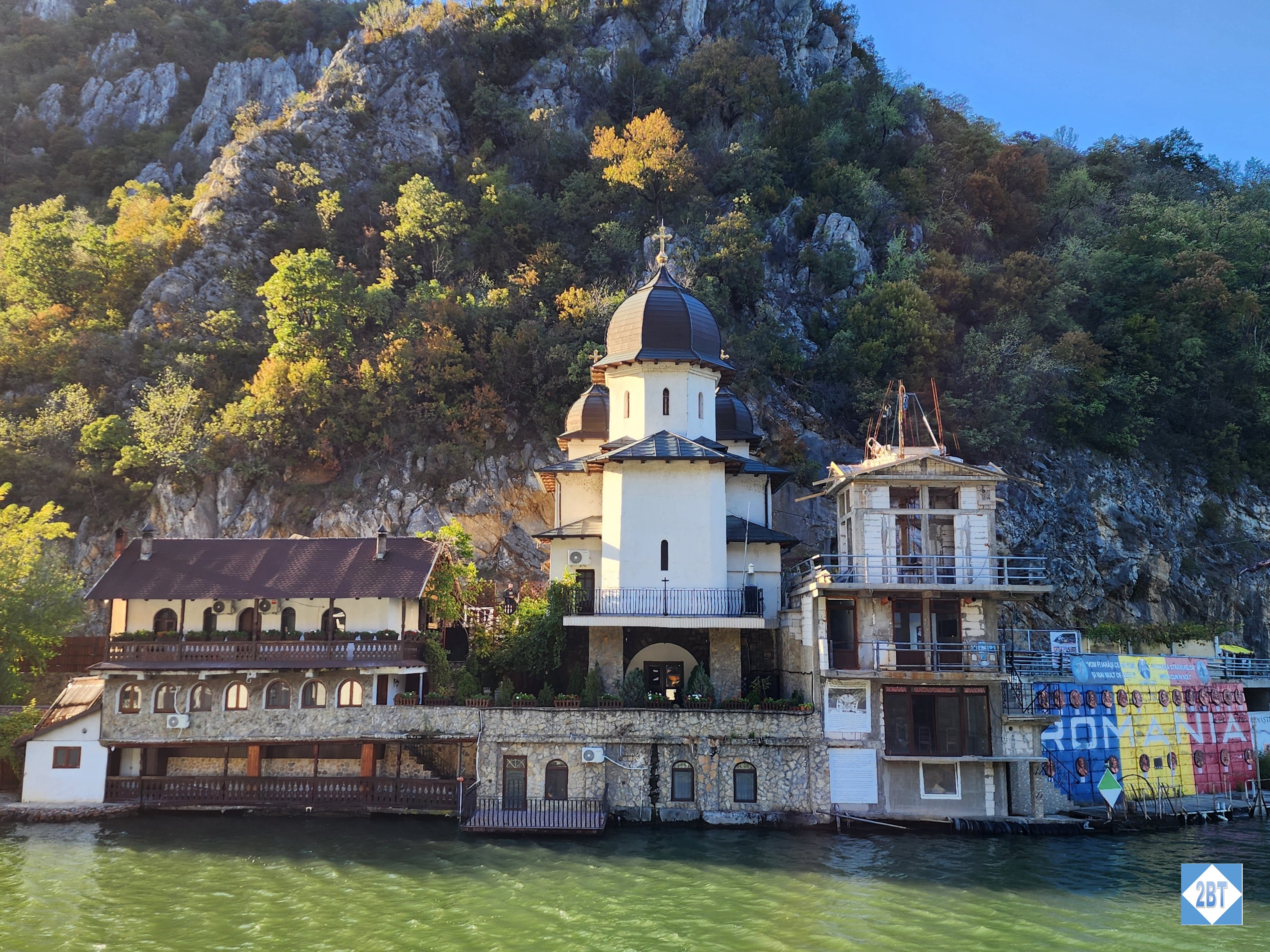
King Decebalus Carving
Then we passed the massive carving of King Decebalus It’s 180 feet tall, making it the largest stone carving in Europe. King Decebalus was the last ruler of Dacia, the ancient kingdom that occupied much of what is now Romania before it was conquered by the Roman Empire. He reigned from about 87 AD to 106 AD, and he’s remembered as a heroic defender of his people against Emperor Trajan’s Roman legions. He fought three wars with Rome and while the first two ended with treaties, he was defeated in the last one. Rather than surrender, Decebalus took his own life — an act that became legendary in Romanian history as a symbol of courage and independence. For Romanians, Decebalus represents resistance, pride, and continuity — the idea that modern Romania descends from both the Dacians and the Romans who conquered them.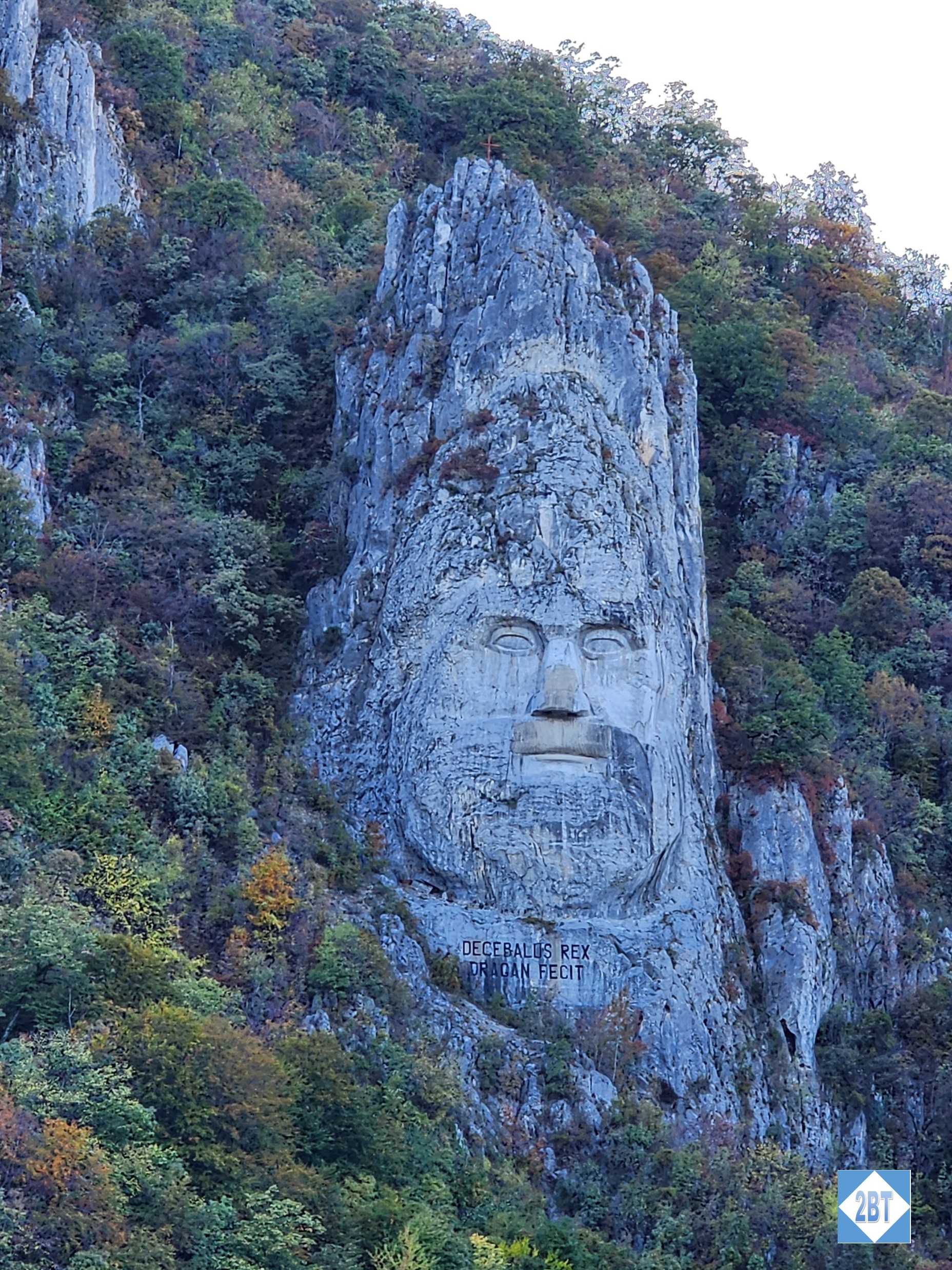
In the end
We were so fortunate with the wonderful weather. I can’t imagine trying to climb the fortress in wet conditions and the hike would have been in the mud. But we had a perfect day to experience history and nature along the Danube in Serbia which will make for some wonderful memories.


Recent Comments